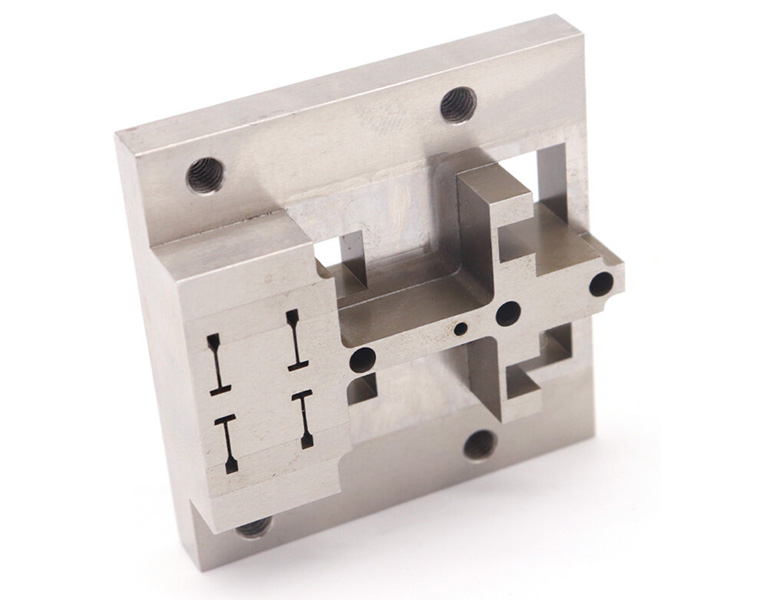
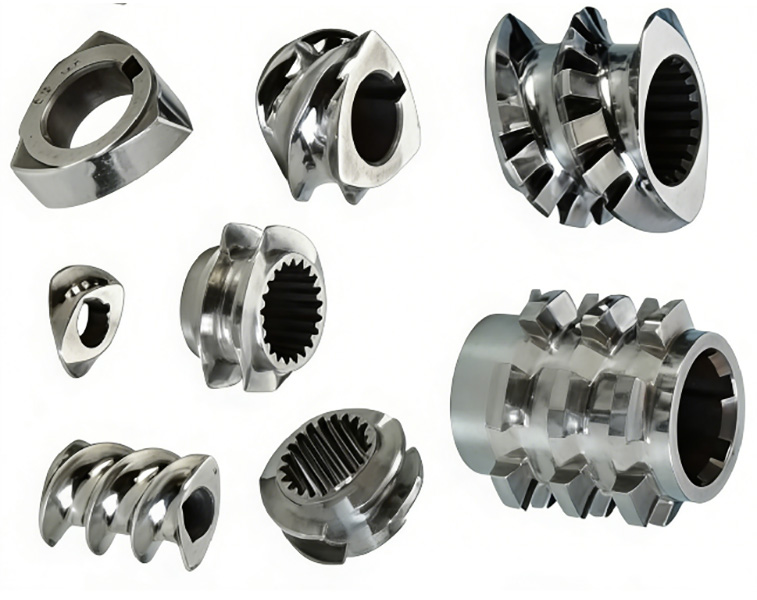
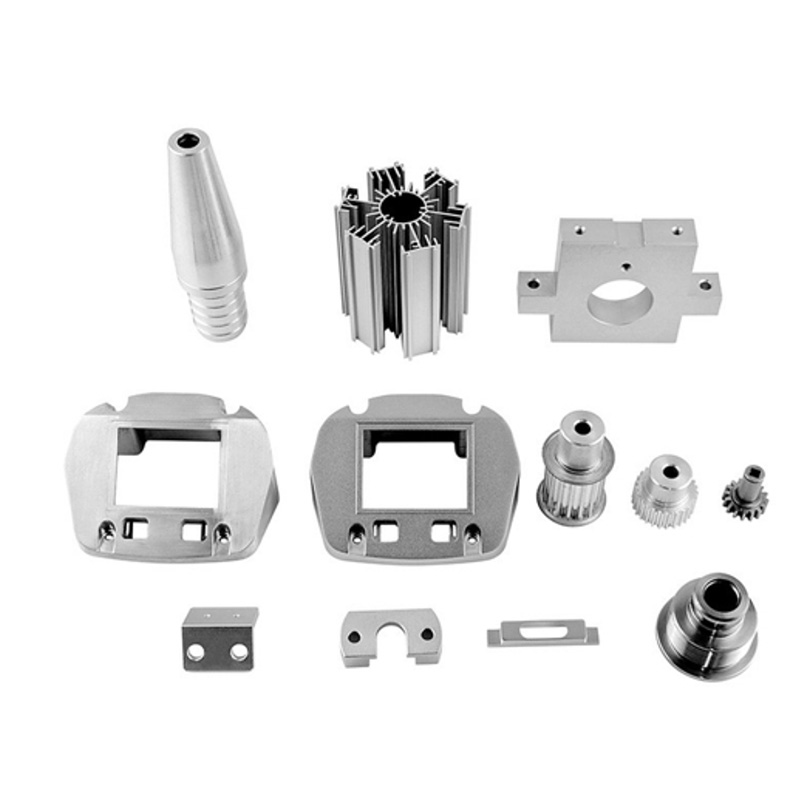
| High-Speed Wire Cut (HSWEDM) | General Mechanical Manufacturing | Ordinary gear blanks, connecting rods, shaft sleeves, brackets, simple irregular parts, template blanks | 45# steel, Q235 steel, low-carbon steel, ordinary cast iron, aluminum alloy (common materials with low requirements) | ±0.01 ~ 0.02mm | Ra 1.6 ~ 5µm (rough surface, no mirror finish required) |
| General Mold Processing | Stamping die holders, blanking dies, simple cavity dies, guide pins/bushings (rough machining), mold base plates | Cr12MoV (pre-hardened), SKD11 (rough machining), common mold steel, cast iron molds | ±0.015 ~ 0.03mm | Ra 2.5 ~ 6.3µm (sufficient for assembly; fine wire traces allowed) |
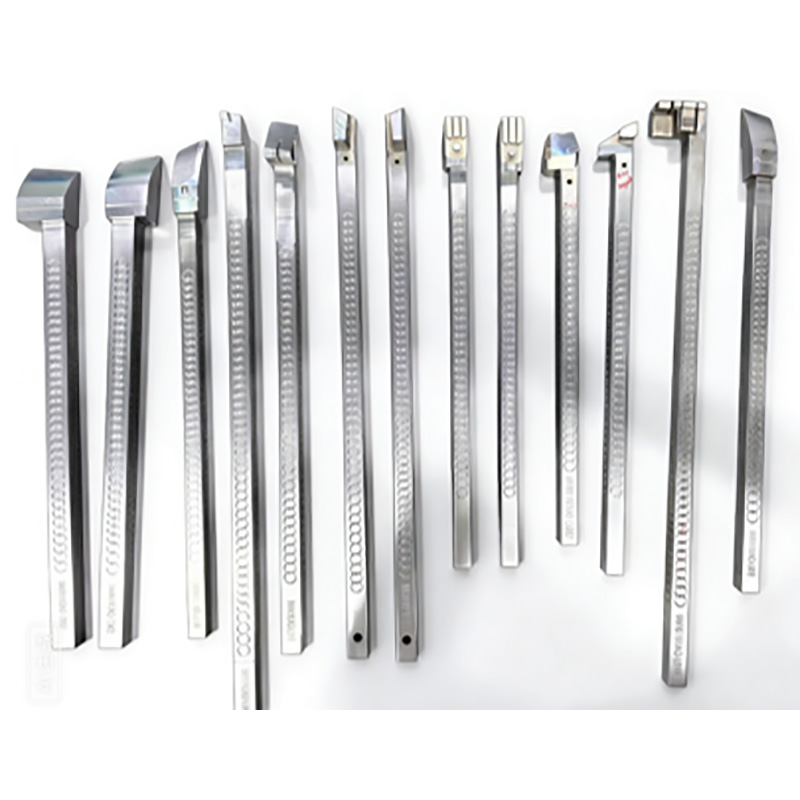
| Hardware Parts Production | Blanks for wrenches, pliers, furniture hardware, construction hardware, stamping parts (rough machining) | Low-carbon steel, stainless steel (201/304, rough machining), zinc alloy, aluminum alloy | ±0.02 ~ 0.05mm | Ra 3.2 ~ 12.5µm (post-grinding/plating allowed; loose machining tolerance) |
| Thick Plate Machining | Thick plate flanges, large machine base holes, thick-walled pipe cutting parts, heavy mechanical connectors | Thick plates (≥250mm), thick-walled stainless steel pipes, cast iron thick parts, alloy structural steel parts | ±0.03 ~ 0.08mm | Ra 5 ~ 12.5µm (focus on dimensional consistency; low surface quality requirements) |
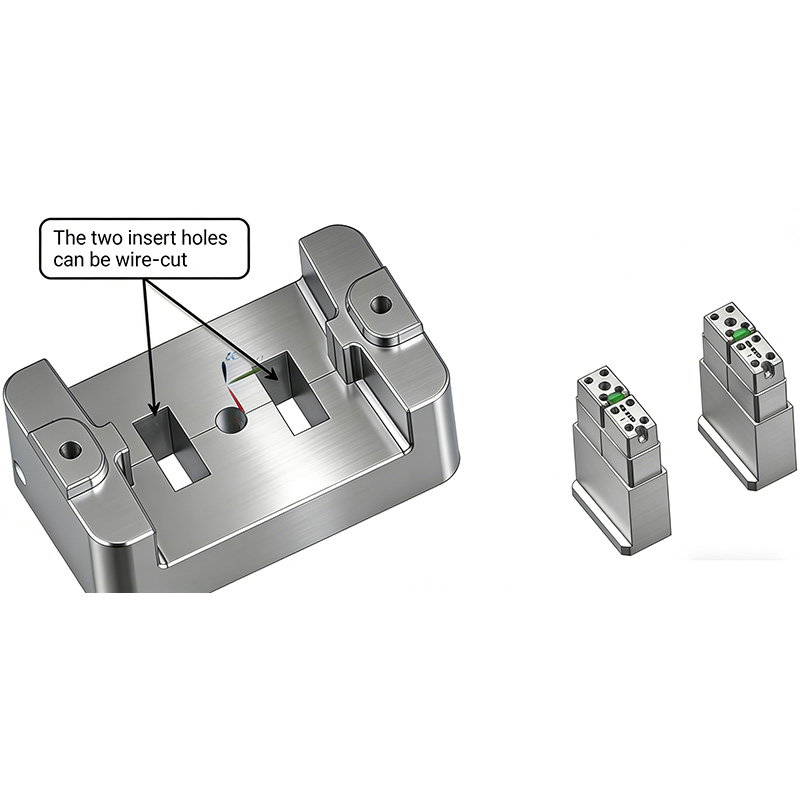
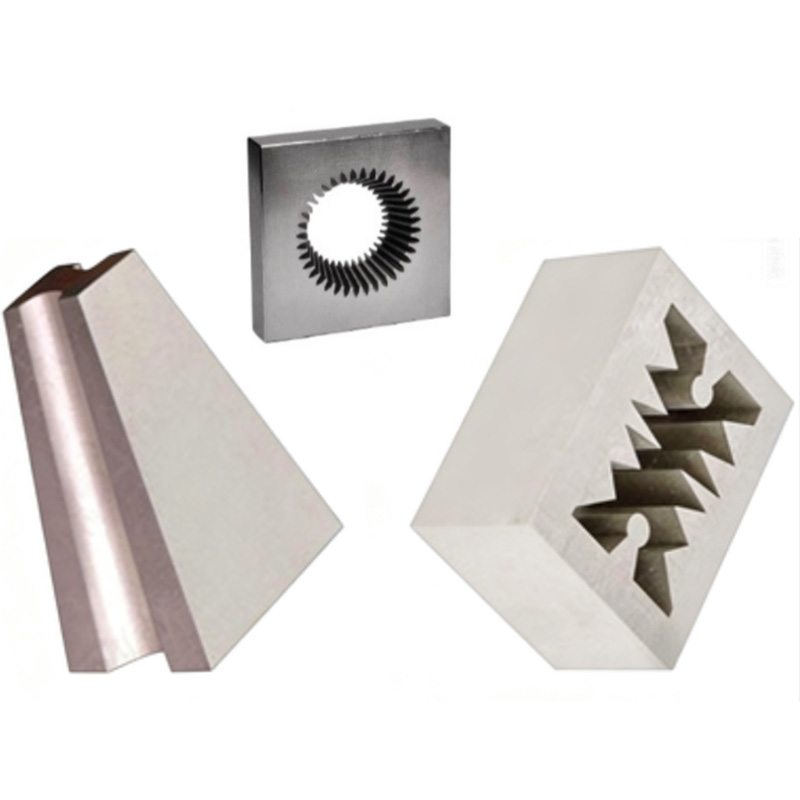
| Medium-Speed Wire Cut (MSWEDM) | Precision Mold Machining (Mainstream) | Plastic mold cavities/cores, stamping male/female dies, inserts, lifters, slides, angled guide holes, mold pilot holes | Cr12MoV, SKD11, H13, S136 (pre-hardened/quenched), cemented carbide (simple parts) | ±0.005 ~ 0.01mm | Ra 0.8 ~ 1.6µm (smooth surface, no obvious tool marks; direct assembly allowed) |
| Electronic Parts Manufacturing | Connector housings, terminal parts, electronic component brackets, precision stamping parts, sensor housings | Brass, phosphor bronze, stainless steel 304/316, aluminum alloy 6061, ABS (metal inserts) | ±0.008 ~ 0.015mm | Ra 0.8 ~ 2.5µm (meets electronic assembly precision; burr-free surface) |
| Automotive Component Machining | Automotive interior molds, headlight molds, small-displacement engine parts (precision structural parts), automotive sensor components | Aluminum alloy, stainless steel 304, engineering plastics (metal inserts), Cr12MoV (mold parts) | ±0.008 ~ 0.02mm | Ra 1.6 ~ 3.2µm (balances precision and efficiency; suitable for mass production of automotive parts) |
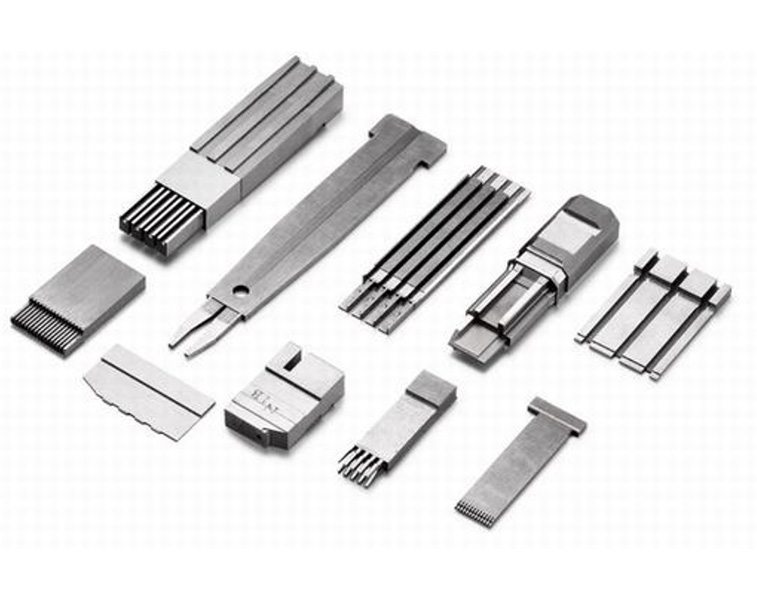
| Tooling & Fixture Manufacturing | Precision fixtures, positioning pins, jigs, inspection tooling, non-standard tool bases | 45# steel (tempered), Cr12MoV, stainless steel, aluminum alloy | ±0.005 ~ 0.012mm | Ra 0.8 ~ 1.6µm (ensures fixture positioning accuracy; flat surface) |
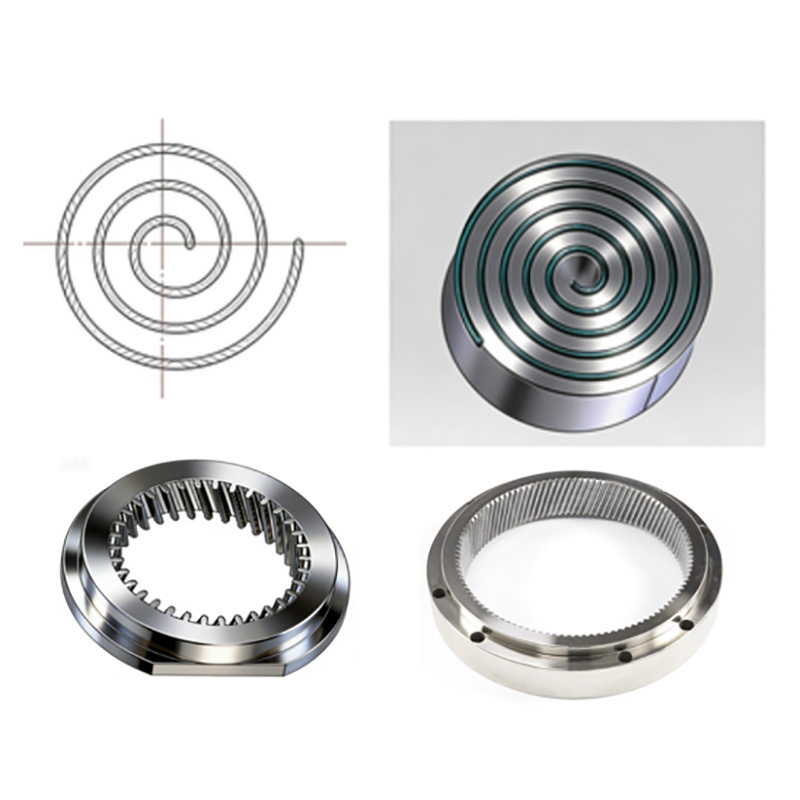
| Low-Speed Wire Cut (LSWEDM) | Ultra-High Precision Mold Machining | Terminal molds (micro-slits below 0.1mm), precision connector molds, mobile phone middle frame molds, micro gear molds, optical molds | S136, H13 (quenched), DC53, cemented carbide, tungsten steel, titanium alloy | ±0.001 ~ 0.003mm | Ra 0.1 ~ 0.4µm (mirror finish, no tool marks; directly usable for product forming) |
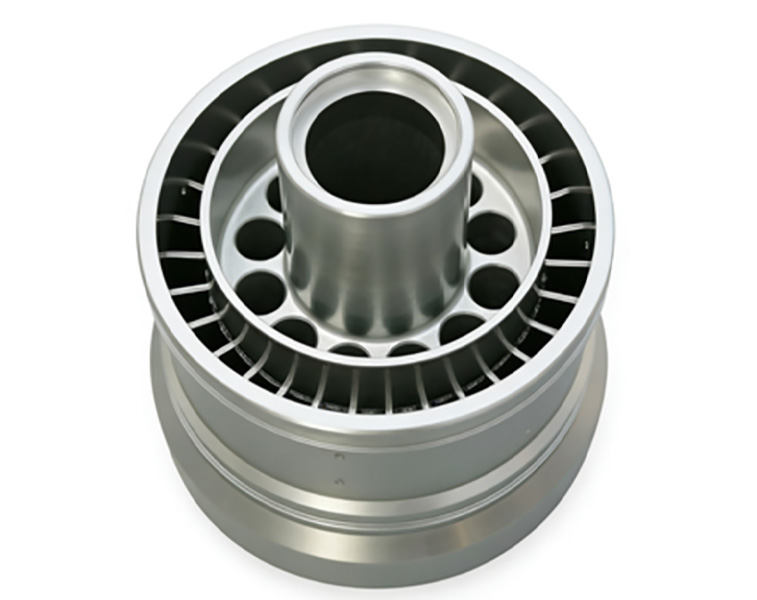
| Aerospace Manufacturing | Aero-engine blades (precision slits), aerospace parts (irregular profiles), satellite structural parts, missile precision components | Titanium alloy, high-temperature alloy (Inconel), stainless steel 316L, aluminum alloy 7075, tungsten alloy | ±0.001 ~ 0.005mm | Ra 0.2 ~ 0.8µm (meets aerospace precision; defect-free and fatigue-resistant surface) |
| Medical Equipment Manufacturing | Surgical instruments (precision cutting edges), implantable devices (auxiliary machining), diagnostic instrument precision parts, microfluidic components | Medical-grade stainless steel (316L), titanium alloy (TC4), cobalt-chromium alloy, medical-grade brass | ±0.001 ~ 0.004mm | Ra 0.1 ~ 0.6µm (biocompatibility requirement; smooth, burr-free, residue-free surface) |
| Electronics & Semiconductor Manufacturing | Semiconductor lead frame molds, chip packaging molds, micro-connectors (micro-structures below 0.05mm), sensor core components | Cemented carbide, tungsten steel, titanium alloy, oxygen-free copper, precision ceramics (metal components) | ±0.0005 ~ 0.002mm | Ra 0.1 ~ 0.3µm (ultra-precision surface; ensures micro-structure fit accuracy) |
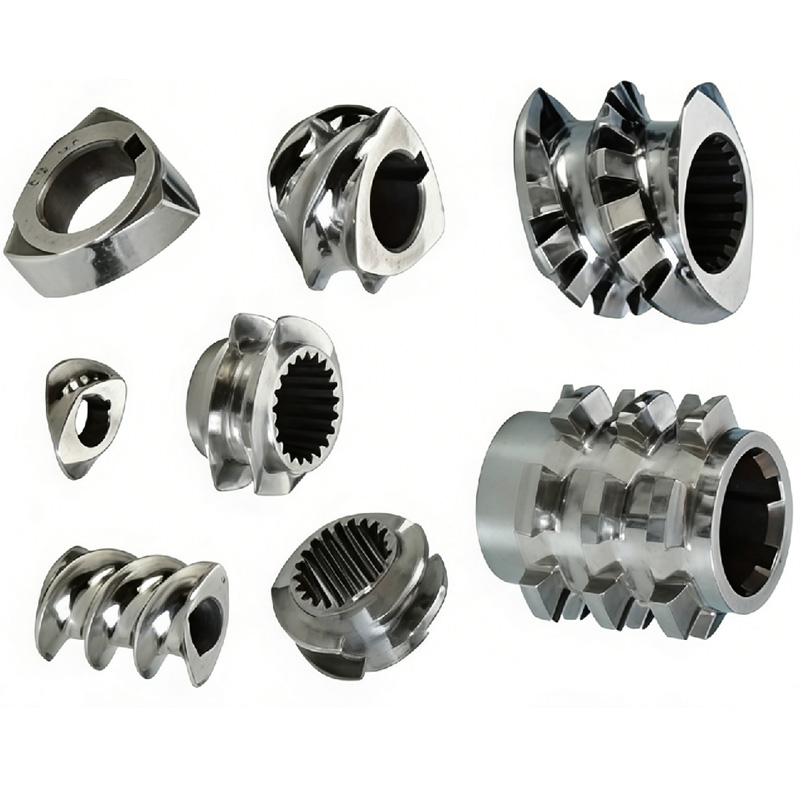
| High-End Precision Machinery | Robot joint parts, precision gears (fine pitch), laser equipment parts, CNC machine core components | Alloy steel (tempered), stainless steel 316Ti, titanium alloy, Invar alloy | ±0.001 ~ 0.004mm | Ra 0.2 ~ 0.8µm (ensures motion accuracy; wear-resistant, low-friction surface) |