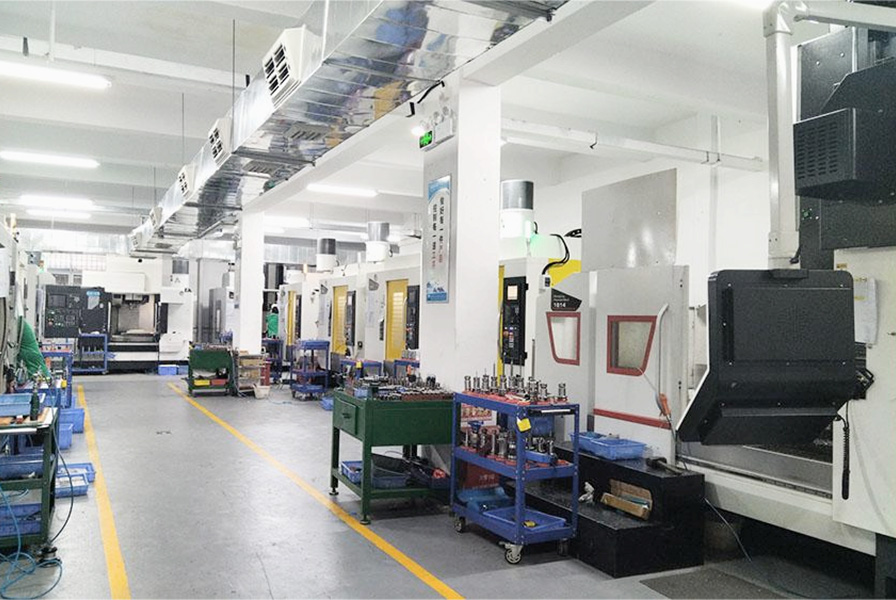
On Your Side
Powerful Precision CNC
Manufacturer

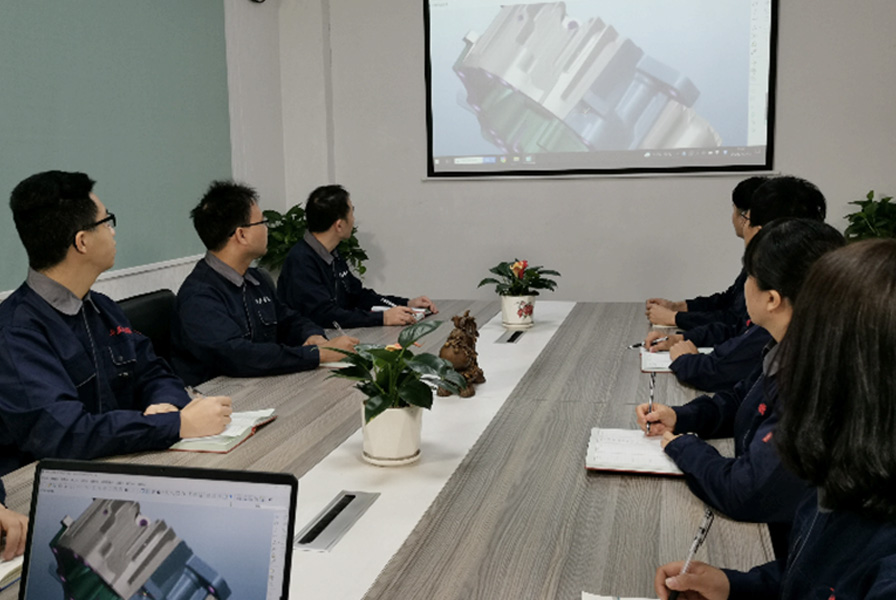
During quotation-professional DFM feedback Once order placed-professional project & order management,

CNC Machining Services

Custom Injection Molding Services

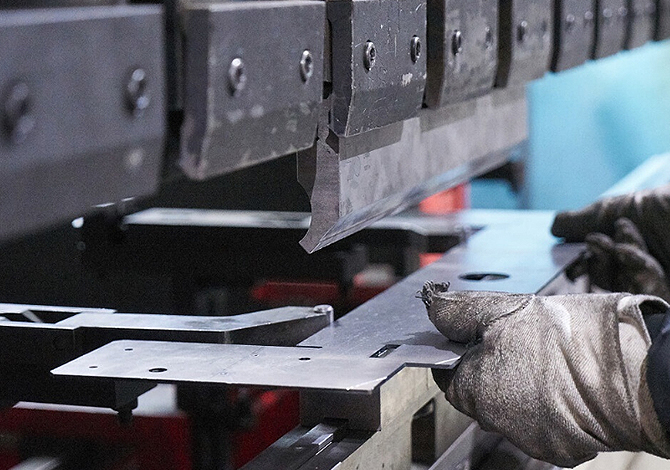
Custom Sheet Metal Fabrication Services

Metal Mold Services

ISO 9001:2015, ISO 13485, IATF 16949:2016 Certified

Start Prototyping Today!

Uploadyour design fles forinstant pricing, free DFM analysis.

  • CNC Machining

  • Injection Molding

  • Sheet Metal Fabrication

  • Metal Mold

Drag and drop your files here or

Support formats: PDF, Word, Excel, Txt, JPG, PNG, BMP, GIF, RAR, ZIP, It is recommended to upload up to 5, and the single size must not exceed 20M.

Home > 5Axis CNC Machining

Service Field Case

Definition of 5-Axis Machining Technology
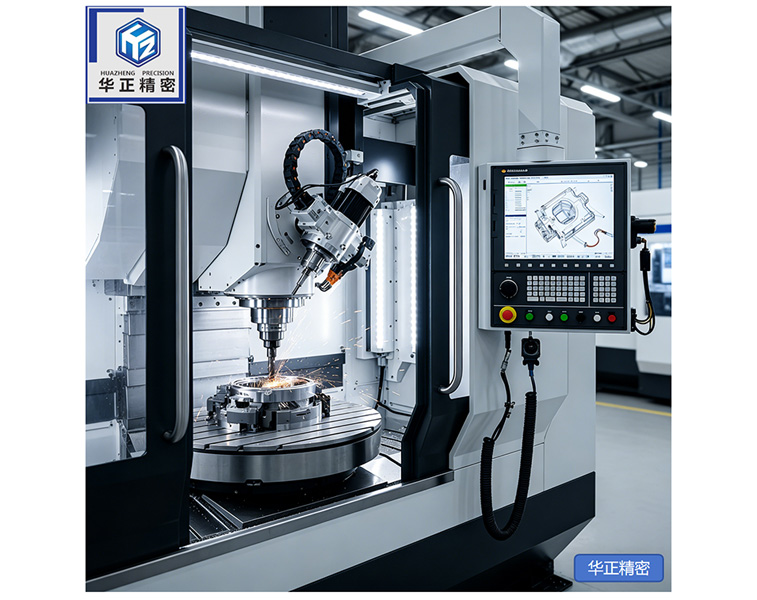
5-axis machining employs linear interpolation motion of any 5 coordinates among X, Y, Z, A, B and C. Machine tools used for 5-axis machining are generally referred to as 5-axis machines or 5-axis machining centers.
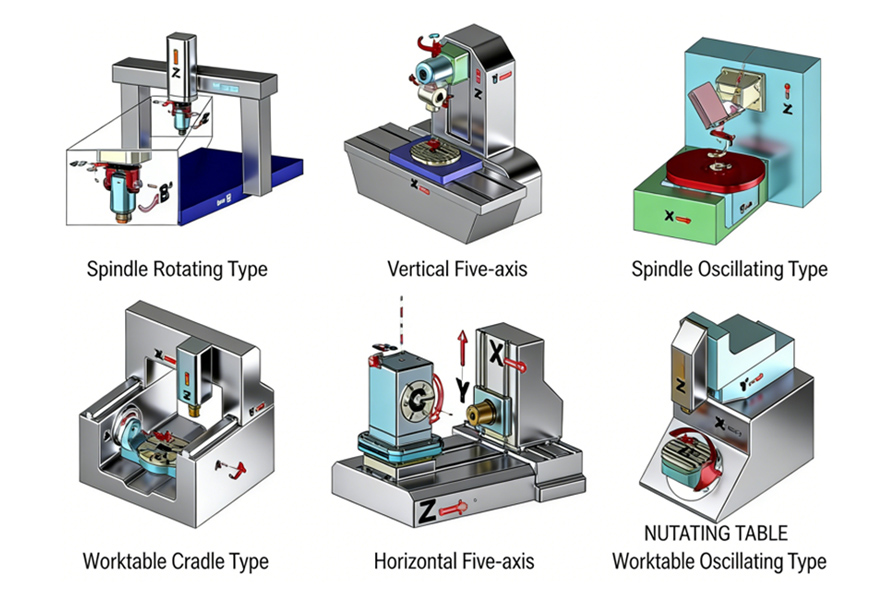
Main Structural Types of 5-Axis CNC Machine Tools
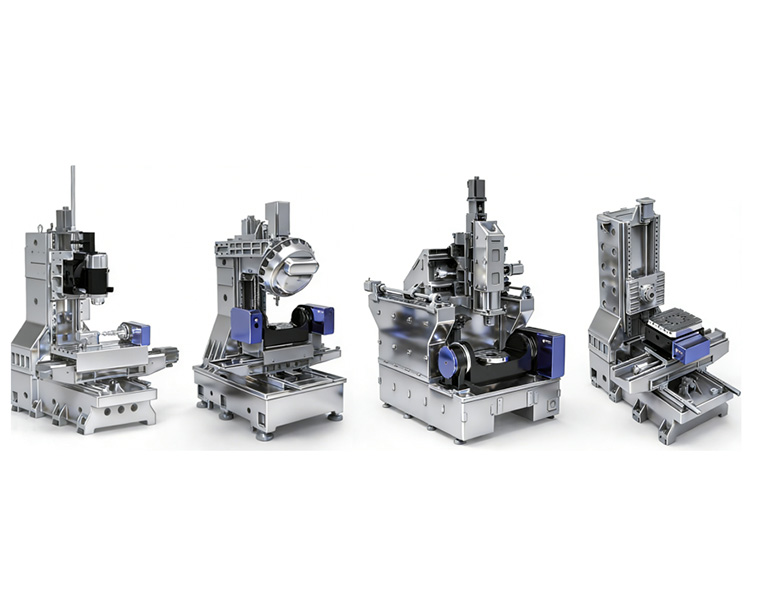
Types of 5-axis CNC machine tools:
1.Dual swivel head type: Two rotary coordinates directly control the orientation of the tool axis.
2.Tilting swivel head type: The rotary axes are not perpendicular to the linear axes.
3.Dual rotary table type: The rotary axes are not perpendicular to the linear axes.
4.Tilting worktable type: Two coordinate axes are located on the worktable, while the rotary axes are not perpendicular to the linear axes.
5.One swivel head + one rotary table type: One of the two rotary coordinates acts on the tool, and the other acts on the workpiece.
Core Capabilities & Advantages of Huazheng 5-Axis Machining
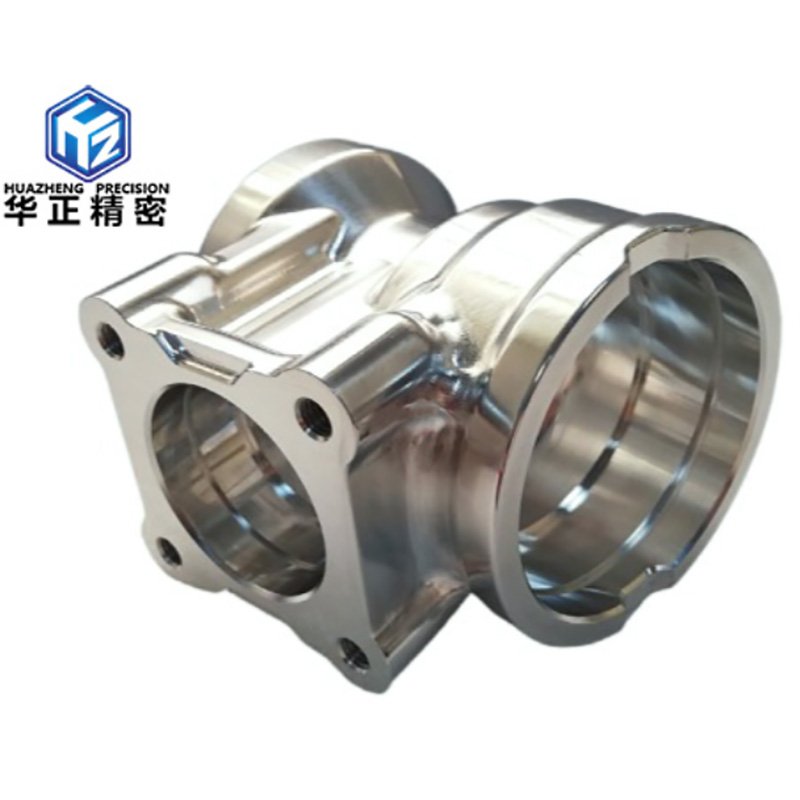
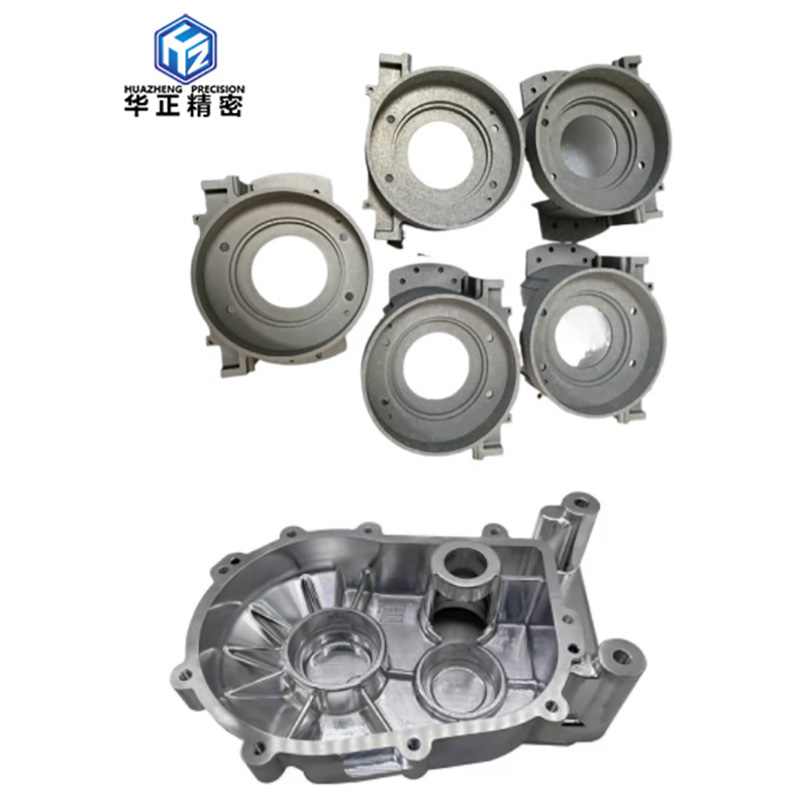
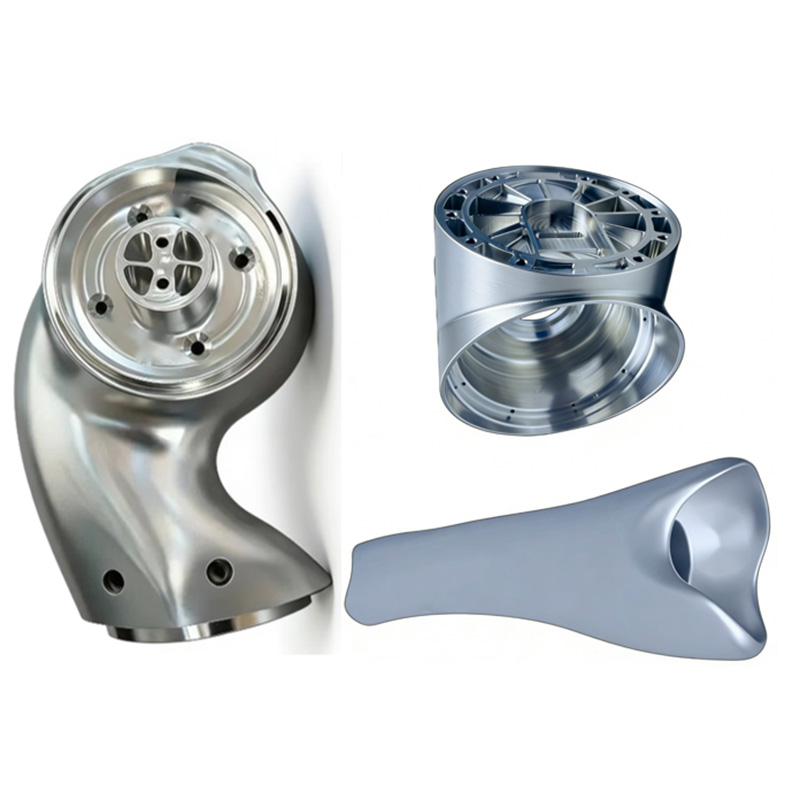
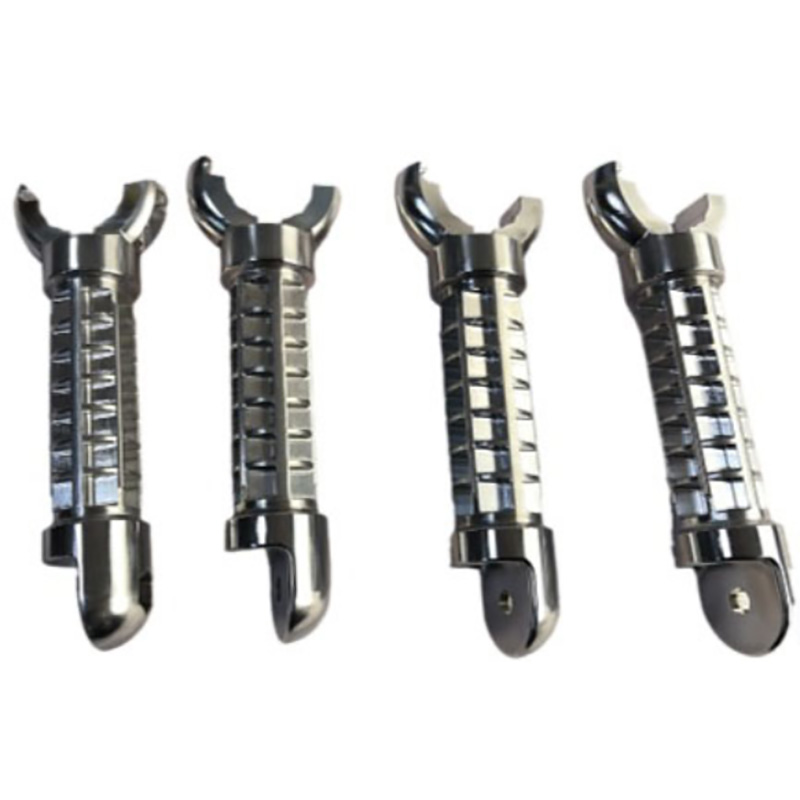
Huazheng specializes in 5-axis machining of high-precision, deep-cavity and complex parts, with a maximum stroke of 1200*800*800mm.
It meets customers’ demands for complex design, rotary accuracy, higher material removal rate and better surface finish.
Customized CNC Surface Treatment Services by Huazheng
Huazheng provides customers with a variety of customized CNC surface treatment options.
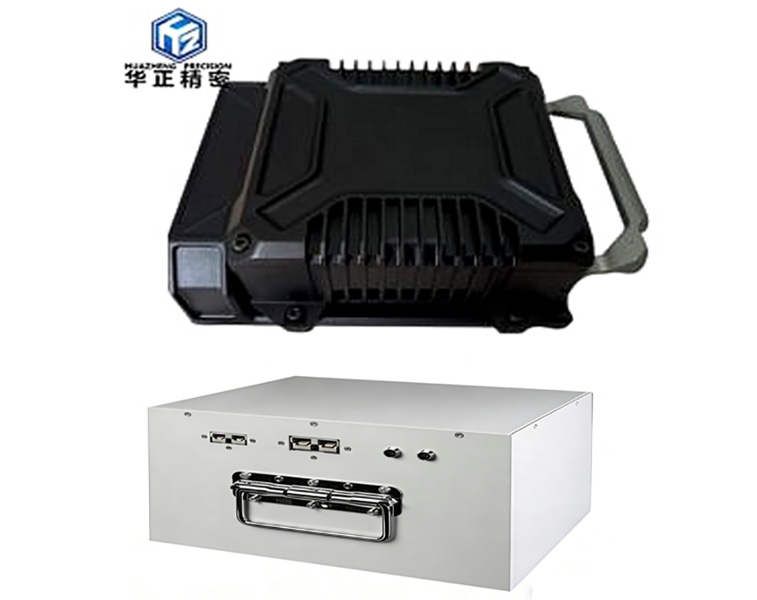
Robot Power Supply Products
Materials: ADC12, 6061-T6, AZ91D, AM60B, WE43
Product Name: PMS, core power solution for embodied robot applications (fixed factory scenarios)
Technical Requirements:
The PMS series power supply is an ideal core power source for embodied robots in fixed scenarios:
Technically: Meets industrial-grade requirements of high stability, high dynamics, wide temperature range and strong anti-interference.
Functionally: Integrates high-efficiency power supply, intelligent management, safety protection and remote monitoring.
In value: Ensures 7×24-hour continuous, accurate and reliable operation of robots, serving as the cornerstone of stable production lines.
Surface Treatment: Anodizing, Micro-arc Oxidation (MAO)
Low-Altitude Aircraft Power Supply Products
Materials: ADC12, 6061-T6, AZ91D, AM60B, WE43
Product Name: Including vehicle-mounted power supplies for flying cars, high-power DCDC for power systems of low-altitude aircraft, etc.
Technical Requirements:
Flying car on-board power supply: Complies with automotive + aerospace composite standards, emphasizing safety redundancy, bidirectional energy flow, multi-voltage domains and intelligent management.
High-power DC-DC for low-altitude aircraft: Pure aerospace-grade, featuring ultra-high power density, ultra-high efficiency, bidirectional fast response and extreme environmental resistance.
Common goal of both: Zero failure, lightweight design, long endurance and absolute safety, acting as the power core for manned low-altitude flight.
Surface Treatment: Anodizing, Micro-arc Oxidation (MAO)
Aerospace
Aerospace
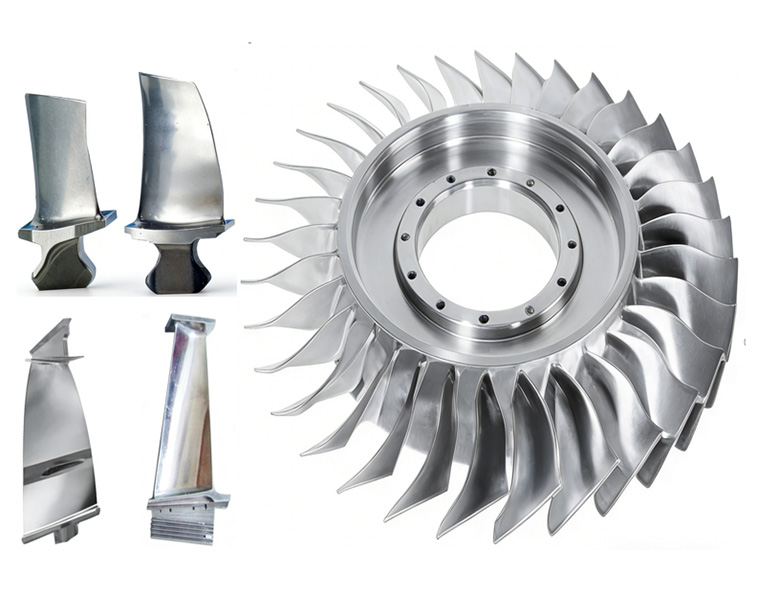
Material: TC4
Product Name: Aero-engine Blade
Technical Requirements:
Surface roughness Ra ≤ 0.8μm
Tolerance within ±0.02mm
Blade thickness uniformity ≤ 0.03mm
Dynamic balance accuracy: Grade G0.2 ~ G0.4
5-axis Machining Type: Dual swivel head type
Semiconductor
Semiconductor
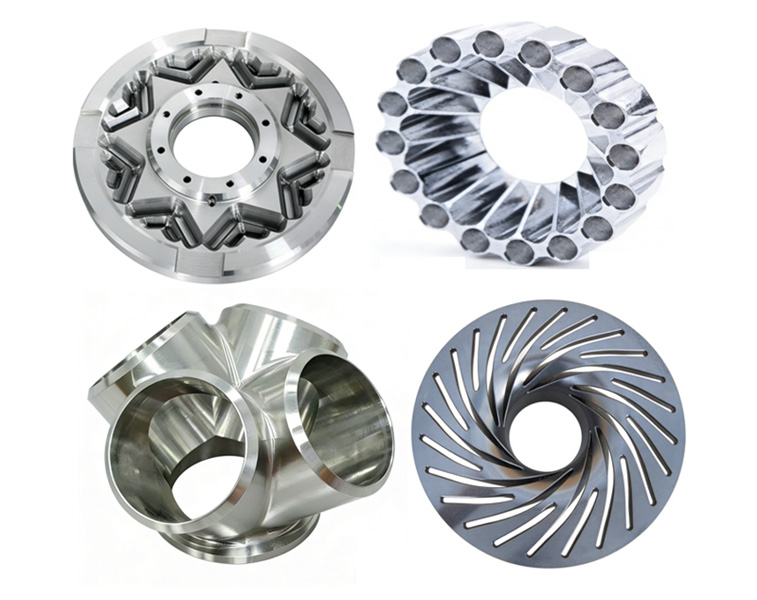
Materials: 7075-T6, TC4/TA2, AZ91D, 316L
Product Name: Structural Support
Technical Requirements:
Aperture accuracy ±0.01mm
Roundness tolerance ±0.003mm
Ra 0.4μm
5-axis Machining Type: Tilting worktable type
Mechanical Processing
Materials: S136, Q235
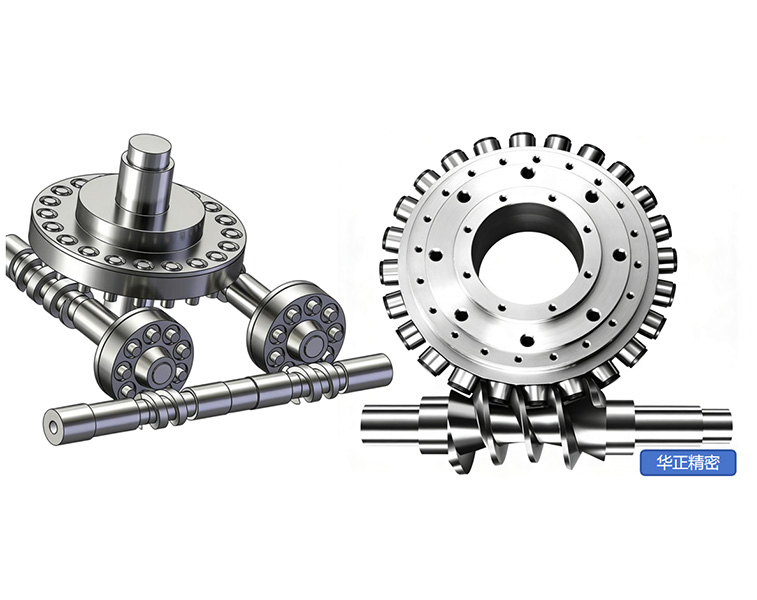
Product Name: Precision Gear
Technical Requirements:
Profile tolerance ±0.03mm
Dimensional tolerance ±0.001mm
Ra 0.8μm
5-axis Machining Type: Dual rotary table type
Precision Molds
Precision Molds
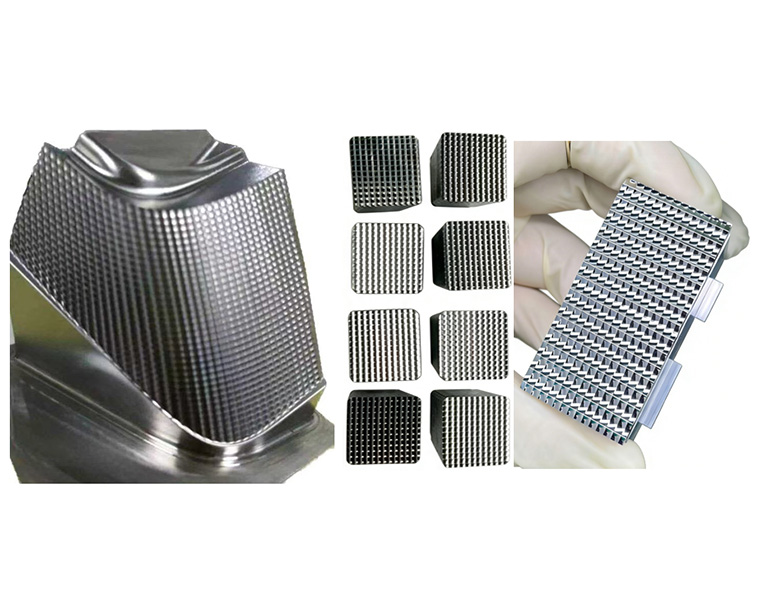
Materials: S136, NAK80, H13, 1.2344
Product Name: Multi-surface high-gloss inserts, optical molds
Technical Requirements:
Texture accuracy ±0.01mm
Mirror-grade surface polishing (Ra ≤ 0.1μm)
Dimensional consistency ≤ 0.008mm
5-axis Machining Type: Tilting swivel head type
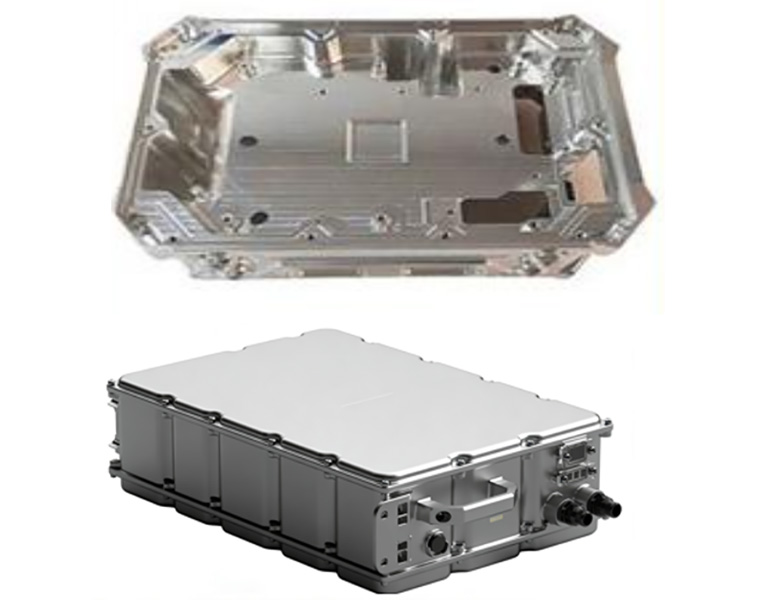
New Energy Vehicles
New Energy Vehicles
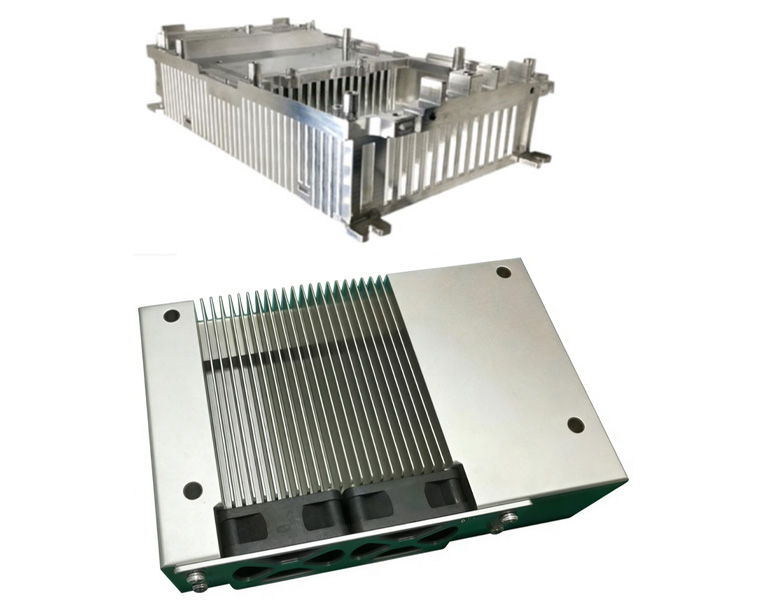
Materials: ADC12, 6061-T6
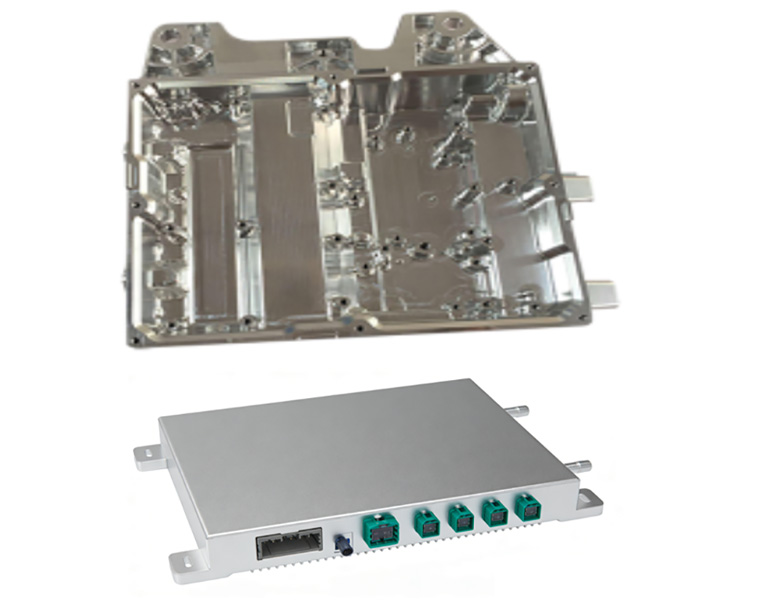
Product Name: On-board DC/DC Converter
Introduction:
Structure: Friction welding + sheet metal housing + modular design, full-bridge conversion technology
The on-board DC/DC converter is an indispensable component in new energy vehicles. Its main function is to convert high-voltage DC power from the vehicle power battery into low-voltage DC power to charge the 14V/27V or 48V low-voltage battery and supply all low-voltage power for the entire vehicle.
Surface Treatment: Anodizing
DCF for Hydrogen Fuel Cell Vehicles
Materials: ADC12, 6061-T6
Product Name: DC/DC Converter for Fuel Cell
Introduction:
Structure: Friction welding + sheet metal housing + modular design, boost converter
The fuel cell DCF (DC/DC Converter for Fuel Cell) is a key component in hydrogen fuel cell vehicles. It is mainly responsible for converting unstable low-voltage DC power generated by fuel cells into stable high-voltage DC power to meet the requirements of the electric vehicle high-voltage system.
Surface Treatment: Anodizing
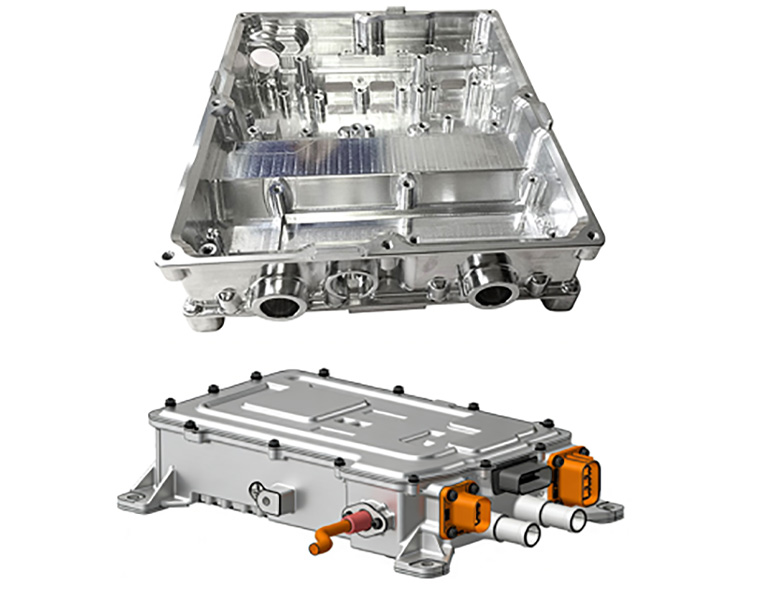
New Energy Vehicles
New Energy Vehicles
Materials: ADC12, 6061-T6
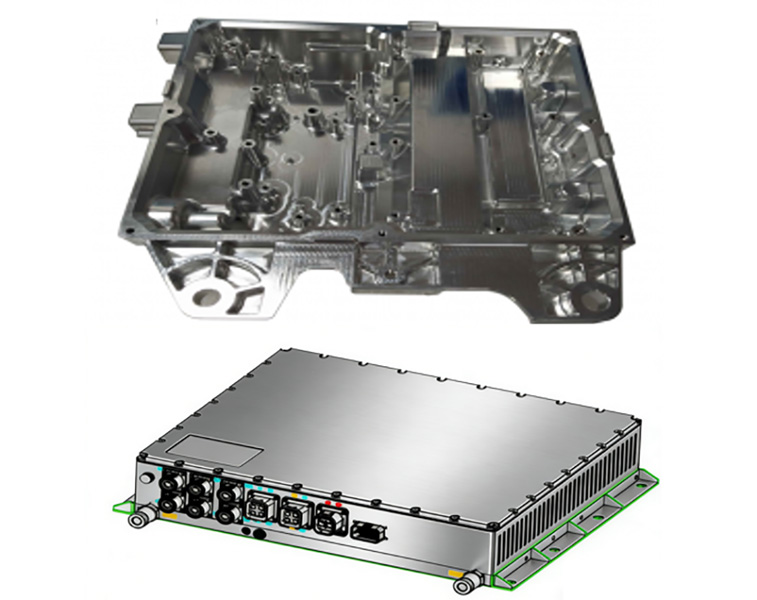
Product Name: On-Board Charger (OBC)
Introduction:
Structure: Friction welding + sheet metal housing + modular design
Technology: Bridgeless PFC + full-bridge conversion
The on-board OBC (On-Board Charger) connects grid voltage to the vehicle power battery via ground AC charging piles and AC charging ports for slow charging.
Surface Treatment: Anodizing
New Energy Vehicles
New Energy Vehicles
Materials: ADC12, 6061-T6
Product Name: On-Board Charger (OBC)
Introduction:
Structure: Friction welding + sheet metal housing + modular design
Technology: Bridgeless PFC + full-bridge conversion
The on-board OBC (On-Board Charger) connects grid voltage to the vehicle power battery via ground AC charging piles and AC charging ports for slow charging.
Surface Treatment: Anodizing
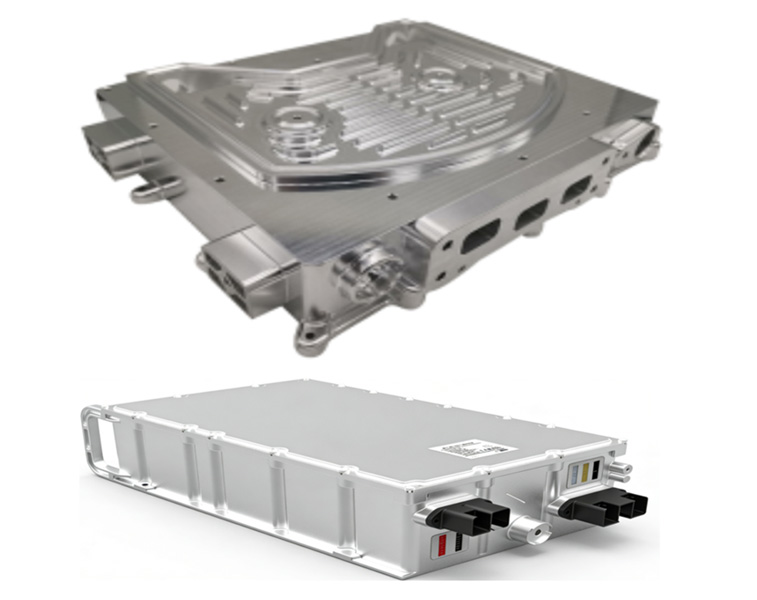
Power & Energy Solutions
Materials: ADC12, 6061-T6
Product Name: Super Charging Module
Introduction:
Structure: Friction welding + sheet metal housing + modular design
Technology: Bridgeless PFC + resonant full-bridge conversion + water cooling
Used in super charging pile systems, the super charging module mainly realizes power conversion by converting grid AC power into high-power DC power for fast charging.
Surface Treatment: Anodizing
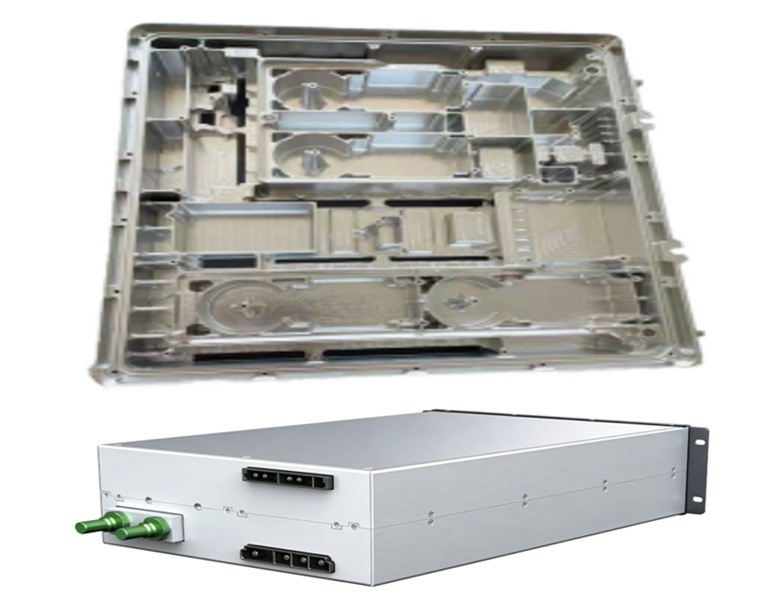
Power & Energy Solutions
Materials: ADC12, 6061-T6
Product Name: Energy Storage Converter (PCS)
Technical Requirements: Three-level or two-level bidirectional conversion
Introduction:
The PCS (Power Conversion System) is a bidirectional current controllable conversion device connected between the energy storage battery system and the power grid. Its main function is to accurately and quickly regulate voltage, frequency and power between the grid and energy storage system, realizing constant-power / constant-current charging/discharging and smooth output of fluctuating power sources. The PCS not only meets the inversion requirement of traditional grid-connected converters for converting DC to AC, but also satisfies the bidirectional power conversion demand brought by "charging + discharging" of energy storage systems. It is suitable for PV and wind power smoothing, peak shaving and valley filling, microgrids and other applications.
Surface Treatment: Anodizing

Getting To Know 5Axis CNC Machining

Comparison DimensionDual Swivel Head Type (A/B Axis)Tilting Swivel Head TypeDual Rotary Table Type (A/C Axis)Tilting Worktable TypeOne Swivel Head + One Rotary Table Type (C Axis + A/B Axis)
Core Technical PrincipleDual rotary axes are integrated into the spindle head, directly controlling tool orientation. The worktable only performs linear motion (X/Y/Z), no rotation/tilting.One axis is a swivel head spindle, the other is a non-vertical rotary table (spindle axis not perpendicular to the table). Tool posture + workpiece positioning motion control.Dual rotary axes are integrated into the worktable (A/C axes), directly controlling workpiece posture. The fixed spindle only performs linear motion; rotary axes are non-vertical with linear axes.Dual rotary axes are integrated into the worktable (A/C axes). The rotary axis is not perpendicular to the spindle; the worktable performs tilting/rotation, while the spindle remains fixed vertically.Dual rotary axes are split between tool & workpiece: 1. Tool axis controls tool posture (A/B); 2. Workpiece axis (C) controls rotation; 3. Linear axes move, spindle is non-vertical with the rotary table.
Core of Motion Control1. TCP point must be opened for real-time compensation of tool tip deviation caused by spindle rotation; 2. Tool path precision planning to avoid tool interference; 3. Three-axis smooth interpolation (NURBS / preview control) to suppress sudden acceleration changes.1. Non-vertical axis kinematics modeling, precise coordinate system switching; 2. Spindle + non-vertical rotary linkage optimization to optimize tool axis posture; 3. Non-orthogonal error compensation to eliminate geometric errors.1. Dual rotary table (A/C) coordinate calculation, adapting to non-vertical systems; 2. Workpiece coordinate and rotary table linkage to ensure machining trajectory; 3. Large load dynamic response control to avoid centrifugal vibration.1. Non-vertical worktable system kinematics compensation; 2. Tilting/rotation linkage with main spindle linear motion to control cutting posture; 3. Rigidity optimization under heavy load to reduce deformation.1. Tool axis (A/B) + worktable axis (C) synchronized R/GP compensation; 2. Non-vertical system comprehensive error compensation, double axis linkage; 3. Three-axis/worktable motion smooth interpolation to avoid vibration & layering.
Precision Control & Processing1. Spindle head bearing preload (P4 grade), controlling motion accuracy ±8″~±2″; 2. Full closed-loop linear grating ruler, repeated positioning accuracy ±0.002~0.004mm; 3. Real-time thermal deformation compensation to suppress spindle thermal errors.1. Non-vertical axis geometric error calibration (positioning accuracy ±0.005~0.01mm/3000mm); 2. Spindle + rotary table dual precision fitting to improve overall accuracy; 3. Low-speed smooth motion control to reduce cutting vibration.1. Dual rotary table bearings (YRT series) high-precision support, indexing accuracy ±2″~±5″; 2. Large-load worktable linkage optimization, controlling thermal deformation ≤0.003mm; 3. Non-vertical axis clearance compensation to eliminate backlash.1. Tilting worktable dynamic rigidity control to avoid cutting chatter; 2. Rotary axis and linear axis non-perpendicularity compensation to improve contour accuracy; 3. Plane/swing motion control, worktable flatness ≤0.005mm/3000mm.1. Dual-axis (tool + workpiece) independent precision calibration & comprehensive compensation; 2. Worktable (C axis) indexing ±1″~±3″, spindle (A/B) swing ±2″~±5″; 3. Non-vertical axis kinematics parameter calibration to ensure linkage accuracy.
Rigidity & Thermal Deformation Treatment1. Integrated casting for the spindle head + rib optimization to ensure initial rigidity; 2. Built-in cooling system (spindle/axis cooling), thermal deformation ≤0.01mm/°C; 3. Lightweight spindle head design to avoid excessive thermal inertia.1. Spindle + non-vertical rotary double-rib reinforcement design; 2. Non-vertical spindle uses heavy-duty bearings/guides to resist vibration; 3. Split structure thermal isolation to reduce heat conduction.1. Bed/table adopts double-walled honeycomb/rib design for high rigidity; 2. Dual rotary tables with large torque motors, heavy load ≥2000kg, thermal deformation ≤0.005mm; 3. Full enclosed protection (IP65) to prevent cutting fluid from affecting rigidity.1. Worktable integrated strengthening design, adapting to tilting/rotation conditions; 2. Non-vertical rotary axis uses large-diameter bearings to improve torsional rigidity; 3. Thermal deformation compensation for rotary tables/worktables to control temperature rise.1. Tool spindle lightweight + worktable side balance design; 2. Dual-axis independent cooling to control spindle/table temperature rise ≤1°C; 3. Non-vertical system inertia matching to avoid dynamic motion influence.
Process Matching & Technical TreatmentApplication scenarios: ultra-precision curved surfaces, small parts, mold finishing (no spark erosion). Key treatment: 1. Tool axis/tip orientation correction, improving surface quality (Ra0.05~0.4μm); 2. 5-axis ultra-precision machining, optimizing tool path; 3. Small cut/high-speed cutting to ensure surface quality.Application scenarios: complex curved surfaces, non-standard complex parts (special-shaped). Key treatment: 1. Non-vertical axis tool angle adjustment, deep cavity/undercut machining; 2. Low-vibration cutting strategy to maintain surface quality stability; 3. Low-speed high-torque cutting for difficult-to-cut materials.Application scenarios: large structural parts, heavy-duty parts, aerospace structural key parts. Key treatment: 1. One-time clamping for large load cutting, reducing error sources; 2. Low-speed stable operation to avoid workpiece vibration; 3. Non-vertical system multi-face machining to improve efficiency.Application scenarios: small/medium-sized complex parts, medical equipment, precision mold finishing. Key treatment: 1. Worktable tilt angle adjustment for inclined cutting/side cutting, completing 5-sided machining in one setup; 2. Tool anti-vibration treatment to reduce knife marks; 3. Dual rotary axis precision compensation to ensure contour deformation control.Application scenarios: small/medium precision parts, molds, medical equipment, small and medium batch production. Key treatment: 1. Tool/worktable dual-axis linkage control, reducing clamping times; 2. Non-vertical system inclined surface machining to reduce errors; 3. Small parts high-precision finishing with surface roughness up to Ra0.1~0.8μm.
Typical Technical Difficulties & SolutionsDifficulties: Spindle head inertia causes motion shock; thermal deformation affects precision. Solutions: Lightweight spindle design, real-time thermal compensation, smooth interpolation control.Difficulties: Non-vertical system kinematics is complex, with poor anti-interference capability. Solutions: Multi-axis linkage dynamic modeling, full closed-loop error compensation, non-orthogonal error compensation.Difficulties: Large load dynamic response, dual rotary table error accumulation, heavy torque motor thermal error. Solutions: Dual-axis full closed-loop & grating ruler error compensation algorithm.Difficulties: Worktable tilting causes rigidity drop; non-vertical thermal deformation is large. Solutions: Distributed error calibration, segmented thermal compensation, non-vertical linkage dynamic adjustment.Difficulties: Tool/worktable dual-axis linkage precision is difficult to unify; non-vertical system errors are coupled with rotary errors. Solutions: Dual-axis independent calibration, double linkage error compensation algorithm, RTCP dual-point compensation.
Comparison DimensionDual Swivel Head (A/B Axis)Tilting Swivel HeadDual Rotary Table (A/C Axis)Tilting Worktable (Swing Type)One Swivel Head + One Rotary Table (C Axis + A/B Axis)3-Axis Machining
Core Advantages & FeaturesDual rotary axes integrated into the spindle head; direct control of tool posture. The worktable only performs linear motion, no tilting/rotation. Excellent tool axis flexibility, no shaking. Heat deformation has minimal impact on workpieces.Non-vertical spindle + rotary table. Tool posture control is limited; the spindle head has high rigidity and chip removal. Non-vertical axes enable complex special-shaped machining.Dual rotary axes integrated into the worktable; fixed spindle. High rigidity, large bearing capacity, small thermal deformation, high precision stability, suitable for heavy-load cutting.Dual rotary axes integrated into the worktable; spindle is vertically fixed. Worktable tilting + rotation. One-time five-sided machining; excellent rigidity and chip removal, low deformation.Swivel head (tool side) + rotary table (workpiece side) dual-axis rotation. Balances flexibility and stability; high rigidity and chip removal. Can achieve five-axis machining at a cost close to three-axis.Simple structure, low operation threshold, easy to use. Low procurement/maintenance costs. Suitable for simple flat/hole processing; complex parts require multiple setups, low efficiency.
Clamping Times1 time (one-time completion of all processes, including multi-surface/curved surface/hole/undercut)1 time (non-vertical axes realize complex shapes; one-time completion of all processes)1 time (one-time clamping for multi-surface/lightening holes; no blind spots)1 time (one-time completion of five-sided/curved surface machining; no secondary clamping)1 time (one-time completion of multi-surface/curved surface machining; fewer clamping times)3-6 times (multi-surface/curved surface/hole machining requires multiple setups; large cumulative errors)
Surface QualityExcellent (tool axis always aligned, no tool marks. Ra 0.05~0.4μm; mirror finish possible)Excellent (non-vertical axes optimize tool path; continuous curved surfaces without steps. Ra 0.1~0.8μm)Good (only spindle correction; poor surface fitting. Ra 0.4~1.6μm; manual polishing required)Excellent (tool path optimized by tilting axis. Ra 0.2~0.8μm; minimal tool marks)Good (tool axis aligned; surface quality close to five-axis. Ra 0.1~0.8μm)Poor (vertical cutting generates feed lines/overcuts. Ra 1.6~6.3μm; requires large polishing)
Deep Cavity Machining CapabilityExcellent (tool can enter at any angle; no dead angles for deep cavities/undercuts/closed structures)Excellent (non-vertical head can enter from special angles; suitable for ultra-deep cavities/special-shaped deep cavities)Medium (spindle fixed; deep cavity machining limited by tool length; prone to interference)Medium-low (worktable tilting optimizes deep cavity cutting posture; reduces tool extension)Good (can tilt at any angle; deep cavity undercut capability is better than dual rotary table)Poor (cannot machine undercuts in vertical cutting; long extensions required for deep cavities; prone to tool shaking)
Rotational Machining AccuracyExcellent (C-axis 360° rotation, roundness error ≤0.003mm; full closed-loop control)Excellent (non-vertical axis system compensation, roundness error ≤0.005mm)Good (worktable C-axis rotation, roundness error ≤0.002mm; rigid support)Good (swing-type C-axis rotation, roundness error ≤0.003mm; small thermal deformation)Good (workpiece C-axis rotation, roundness error ≤0.003mm; stable accuracy)Poor (multiple clamping errors accumulate; roundness error ≤0.01mm, poor consistency)
Hole Machining CapabilityExcellent (holes at any angle/deep holes/multi-holes completed in one clamping; position accuracy ±0.005mm)Excellent (non-vertical spindle system adapts to angled holes at any angle; position accuracy ±0.005mm)Good (multi-hole machining requires worktable rotation; position accuracy ±0.008mm, prone to hole position deviation)Good (tilting worktable adapts to angled holes; position accuracy ±0.005mm, reduces hole position deviation)Excellent (swivel head + rotary table movement; angled holes at any angle, position accuracy ±0.005mm)Poor (multi-surface/angled holes require multiple clamping; position accuracy ±0.01mm, poor consistency)
Groove Machining CapabilityExcellent (angled grooves/special-shaped grooves/deep grooves completed in one setup; no tool marks)Excellent (non-vertical spindle system adapts to special-shaped/angled grooves; flexible machining)Good (multi-surface grooving requires worktable rotation; deep grooves limited by tool length)Good (tilting worktable optimizes grooving posture; reduces tool shaking)Excellent (swivel head + rotary table movement; flexible grooving at any angle; no tool marks)Poor (only vertical grooves can be processed; special-shaped/angled grooves cannot be machined; require multiple setups)
Undercut / Backdraft Machining CapabilityExcellent (tool can enter at any angle; no dead angles for undercuts/closed structures; one-time forming)Excellent (non-vertical head can enter from special angles; suitable for ultra-deep undercuts)Poor (spindle fixed; undercut machining limited by tool length; prone to interference)Medium (worktable tilting optimizes undercut posture; reduces tool extension)Good (can tilt at any angle; undercut capability is better than dual rotary table/swing type)Very Poor (undercuts cannot be machined in vertical cutting; requires disassembly/secondary clamping, no forming)
Tool Versatility ComparisonCompatible with all tool types: ball-end mills (curved surfaces), end mills (side cutting), drills (deep holes), special-shaped cutters. Can optimize tool posture to extend tool life by 30%+Compatible with all tool types, especially custom forming tools/long tools. Non-vertical posture reduces tool shaking and improves rigidityOnly compatible with conventional tools (end mills, drills). Deep cavity/undercut machining requires long tools; limited tool lifeCompatible with conventional tools. Tilting posture optimizes cutting, reduces tool shaking and wearCompatible with all tool types; balances flexibility and stability; extends tool lifeOnly compatible with conventional vertical cutting tools; cannot adapt to angled/special-shaped cutting; limited tool life
Machining EfficiencyHigh (reduced clamping/tool changes; complex curved surfaces formed in one pass. Efficiency 50%-80% higher than 3-axis)High (non-vertical spindle system reduces auxiliary time. Efficiency 40%-70% higher than 3-axis)Medium-high (fewer setups; large-volume roughing improves efficiency. Overall efficiency increased by 30%-50%)Medium-high (fewer setups, reduced shaking. Efficiency increased by 30%-60%)High (reduced clamping, surface quality and efficiency improved. Efficiency increased by 40%-70%)Low (multiple setups/facing changes; long auxiliary time. Low efficiency for complex parts)
Machining Accuracy ComparisonPositioning accuracy ±0.005-0.01mm/300mm; repeat positioning accuracy ±0.002-0.004mm; A/C axis indexing accuracy ±3"-±8"Positioning accuracy ±0.005-0.01mm/300mm; repeat positioning accuracy ±0.002-0.003mm; non-vertical axis system compensation indexing accuracy ±5"-±10"Positioning accuracy ±0.005-0.01mm/300mm; repeat positioning accuracy ±0.002-0.003mm; A/C axis indexing accuracy ±2"-±5"Positioning accuracy ±0.003-0.008mm/300mm; repeat positioning accuracy ±0.001-0.003mm; A/C axis indexing accuracy ±3"-±8"Positioning accuracy ±0.005-0.01mm/300mm; repeat positioning accuracy ±0.002-0.004mm; A/C axis indexing accuracy ±2"-±5"Positioning accuracy ±0.01-0.02mm/300mm; repeat positioning accuracy ±0.005-0.01mm; no rotation indexing accuracy
Surface Roughness (Ra) ComparisonAluminum alloy: 0.05~0.2μm; mold steel: 0.1~0.4μm; titanium alloy: 0.4~0.8μmAluminum alloy: 0.1~0.4μm; mold steel: 0.2~0.8μm; titanium alloy: 0.4~1.6μmAluminum alloy: 0.4~1.6μm; mold steel: 0.4~1.6μm; titanium alloy: 0.8~3.2μmAluminum alloy: 0.2~0.8μm; mold steel: 0.2~0.8μm; titanium alloy: 0.4~1.6μmAluminum alloy: 0.1~0.4μm; mold steel: 0.1~0.8μm; titanium alloy: 0.4~1.6μmAluminum alloy: 1.6~6.3μm; mold steel: 1.6~6.3μm; titanium alloy: 3.2~12.5μm
Workpiece Load CapacityMedium (≤500kg; limited by head bearings. Suitable for small/medium-sized parts)Medium (≤800kg; head + rotary table combination. Load capacity higher than head-only)Large (≤2000kg; worktable bearing. Suitable for large heavy-duty parts)Medium-large (≤1500kg; swing-type worktable. Suitable for medium/large heavy-duty parts)Medium (≤800kg; head + rotary table. Suitable for small/medium-sized parts)Small (≤1000kg; worktable bearing. Suitable for all types of conventional parts)
Machine Load CharacteristicsHigh load on the spindle head; light-weight design + cooling compensation. Linear axis load light; suitable for medium load cuttingDual load on the head + rotary table; rigid balance design. Suitable for medium load cuttingHigh load on the rotary table; large torque motor + rigid support. Suitable for heavy load cuttingHigh load on the worktable; heavy-duty bearings + rigid structure. Suitable for medium/heavy load cuttingDual load on the head + rotary table. Suitable for medium load precision cuttingHigh load on linear axes; suitable for large parts with heavy cutting, no rotation axis load
Procurement Cost (Domestic Reference)High (Complex spindle head structure, direct/grating scale configuration. ~1.5-3 million RMB)Medium-high (Custom non-vertical spindle system. ~1.2-2.5 million RMB)High (High requirements for dual rotary tables, direct drive bearings. ~1.8-3.5 million RMB)Medium (Swing-type structure. ~1.2-2.8 million RMB)Medium (Best cost-performance ratio. ~0.8-2 million RMB)Low (Simple structure. ~0.2-0.8 million RMB)
Maintenance Cost (Annual)High (Spindle head bearings/encoders/cooling system maintenance. ~50,000-150,000 RMB/year)Medium-high (Custom non-vertical spindle maintenance. ~40,000-120,000 RMB/year)Medium (Rotary table bearings/seals maintenance. ~30,000-100,000 RMB/year)Medium (Rotary table maintenance. ~30,000-100,000 RMB/year)Medium (Head + rotary table maintenance. ~30,000-80,000 RMB/year)Low (Only linear guide/screw maintenance. ~10,000-30,000 RMB/year)
Core Application ScenariosUltra-precision curved surfaces, mold cavities, aerospace blades, medical devices, semiconductor precision partsComplex special-shaped parts, special deep cavities, custom precision partsLarge aerospace structural parts, heavy molds, automotive cover parts, large partsSmall/medium precision molds, medical devices, impellers, consumer electronics partsSmall/medium precision parts, general molds, medical devices, small-batch productionOrdinary parts, planes/simple contours, large-volume standardized parts
Machine TypeAerospaceMold ManufacturingMedical DevicesAutomotive / New EnergyGeneral Precision / 3CEnergy / Heavy Industry
Dual Swivel HeadExcellent advantage: Suitable for large wings, fuselage frames, beams, blades; one-time clamping for deep cavities, undercuts and complex surfaces; flexible tool axis, no interference, high precision.Excellent advantage: Automotive cover molds, precision injection molds, die-casting molds; high-gloss surfaces (Ra ≤ 0.4μm); deep cavities / undercuts with no dead angles, fewer tool marks.Strong advantage: Artificial joints, bone plates, implants, precision instruments; small curved surfaces, high roundness, mirror surface finish, one-time forming.Strong advantage: Complex housings, turbochargers, interior/exterior molds; multi-surface / angled holes / deep slots machined in one setup.Fair: Small and medium-sized precision parts; high cost, limited load capacity.Strong advantage: Large gas turbine components, heavy structures; large dimensions, complex internal cavities.
Tilting Swivel HeadStrong advantage: Special-shaped structural parts, special-angle blades, adapters; non-orthogonal axes adapt to special attitudes, excellent deep cavity accessibility.Strong advantage: Special-shaped molds, multi-body inserts, complex cavities; special-angle cutting, avoids interference, continuous surfaces.Strong advantage: Complex surgical instruments, non-standard implants; attitude flexibility, easy machining of microstructures.Strong advantage: Complex steering knuckles, motor housings, new energy structural parts; multi-angle holes / slots completed in one setup.Fair: Less versatile than “one head + one rotary table” configuration; high cost.Strong advantage: Special-angle pipelines, special-shaped valve bodies; excellent adaptability for non-vertical attitudes.
Dual Rotary TableExcellent advantage: Large structural parts, titanium / high-temperature alloy heavy-duty parts; high rigidity, large volume cutting, load capacity ≤ 2000kg.Moderate advantage: Large molds, thick-plate molds, beams; high roughing efficiency, average finish quality.Fair: Poor precision on small parts; limited suitability for large / deep cavities; suitable only for simple implants and instrument bases.Strong advantage: Gearbox housings, base plates, large stamping dies; heavy-duty, multi-surface stable, high batch efficiency.Fair: Limited flexibility on small parts; high cost.Excellent advantage: Wind turbine gearboxes, large valve bodies, heavy-duty shaft parts; heavy load, high rigidity, stable cutting.
Tilting Worktable (Swing Type)Excellent advantage: Engine blades, integral disks, small structural parts; 5-sided machining, high position accuracy, good chip removal.Strong advantage: Small/medium precision molds, cavity inserts, electrodes; excellent surface quality, easy undercut machining, high stability.Excellent advantage: Artificial joints, dental implants, minimally invasive instruments; ultra-high precision (≤0.003mm), bionic surfaces, clean machining.Strong advantage: Turbocharger blades, ABS valve bodies, precision gears; multi-surface / angled holes / round profiles completed in one setup.Strong advantage: Precision structural parts, connectors, housings; high precision on small/medium parts, good consistency.Strong advantage: Small impellers, precision valves, instrument parts; high precision, complex curved surfaces.
One Swivel Head + One Rotary TableStrong advantage: Medium-sized structural parts, blades, machine casings; balances flexibility, load capacity and versatility.Excellent advantage: General molds, complex cavities, small/medium cover molds; cost-effective, good surface quality, full process completion in one setup.Strong advantage: Surgical instruments, orthopedic implants, consumable molds; high precision, moderate cost, suitable for small/medium batches.Excellent advantage: Motor housings, battery pack structures, complex brackets; multi-surface / angled holes / deep slots in one setup, efficiency improved by 30%+.Excellent advantage: 3C mid-frames, precision assemblies, camera components; small/medium parts with complex structures, high efficiency and low cost.Strong advantage: Medium-sized pumps/valves, construction machinery parts; high versatility, controllable cost.
3-AxisDisadvantage: Only simple structures, planes / holes; complex parts require multiple setups, poor precision, low efficiency.Fair: Simple molds, templates, planar cavities; cannot machine complex curved surfaces / deep cavities / undercuts, requires polishing.Disadvantage: Only single-axis bases and non-critical parts; fails to meet precision / surface quality / complex structure requirements.Strong advantage: Simple brackets, cover plates, standard parts; high-volume, low-cost, easy programming.Excellent advantage: Simple 3C parts, shells, standard parts; high volume, low cost, high efficiency.Fair: Simple shafts, flanges, cover plates; cannot machine complex structures.

The Principle of 5Axis CNC Machining

The Advantages of 5Axis CNC Machining in China

China’s 5-axis CNC machining has evolved into a globally competitive solution with mature technology, stable equipment supply, and cost-effective delivery. It excels at complex surface machining, deep-cavity parts, and high-precision components for aerospace, automotive, semiconductor, and energy industries. With single-setup multi-face machining, it greatly reduces clamping errors, shortens production cycles, and improves surface quality. Supported by a complete industrial chain, China’s 5-axis machining delivers high precision, fast lead times, and reliable quality, making it the first choice for global customers seeking high-performance manufacturing solutions.

VS

Huazheng's Advantages in 5Axis CNC Machining

Huazheng specializes in high-precision 5-axis machining for complex, deep-cavity, and multi-surface components, with a maximum machining stroke of 1200×800×800mm. We match the right 5-axis configuration—dual swivel head, tilting head, dual rotary table, tilting table, or one-swing-one-turn—to your part geometry. Our capabilities ensure tight tolerances, excellent rotary accuracy, high material removal rates, and mirror-grade surface finishes. Backed by customized CNC surface treatment and strict process control, we reliably meet the demanding requirements of aerospace, new energy, semiconductor, and precision mold customers worldwide.

Tolerances for 5Axis CNC Machining

  • Description

  • Five-Axis Linkage Machining Center

    Equipped with 2 units, with a travel of 680 × 680 × 600 mm and a machining accuracy of up to 0.01 mm, suitable for high-complexity precision parts machining.

  • Five-Axis CNC Machining Center

    Equipped with 8 units, with a travel of 250 × 250 × 250 mm and a machining accuracy of up to 0.01 mm, ideal for high-precision machining of small and complex components.

  • Four-Axis CNC Machining Center

    Equipped with 6 units, with a travel of 800 × 600 × 550 mm and a machining accuracy of up to 0.01 mm, capable of meeting multi-face precision machining requirements.

  • Three-Axis CNC Machining Center (Taiwan Taiyi)

    Equipped with 6 units, with a travel of 500 × 400 × 300 mm and a machining accuracy of up to 0.01 mm, suitable for efficient machining of standard precision parts.

  • Three-Axis CNC Machining Center (Guangdong Shengfeng)

    Equipped with 2 units, with a travel of 1500 × 600 × 350 mm and a machining accuracy of up to 0.02 mm, suitable for precision machining of large-sized workpieces.

  • Three-Axis CNC Machining Center (Guangdong Shengling)

    Equipped with 10 units, with a travel of 700 × 400 × 400 mm and a machining accuracy of up to 0.02 mm, capable of supporting batch production of precision parts.

  • Gantry Machining Center

    Equipped with 1 unit, with a travel of 1600 × 1400 × 800 mm and a machining accuracy of up to 0.02 mm, suitable for machining large workpieces and complex structural parts.

  • Magnetic Polishing Machine

    Equipped with 1 unit, with a working range of 600 × 600 × 400 mm and a processing accuracy of up to 0.01 mm, effectively improving surface finish and consistency of workpieces.

  • CMM (Coordinate Measuring Machine)

    Equipped with 1 unit, with a measuring range of 600 × 800 × 600 mm and an inspection accuracy of up to 0.001 mm, capable of high-precision 3D dimensional inspection.

  • 2.5D Projection Measuring Instrument

    Equipped with 1 unit, with a measuring range of 400 × 300 × 200 mm and an inspection accuracy of up to 0.001 mm, suitable for precise profile and dimensional measurement.

  • Digital High-Precision Height Gauge

    Equipped with 1 unit, with a measuring range of 0–700 mm and an inspection accuracy of up to 0.001 mm, suitable for high-precision height and vertical dimension measurement.

  • Surface Roughness Tester

    Equipped with 1 unit, with a measuring range of 0.02–10 μm and a roughness accuracy of Ra 0.02 μm, capable of accurately evaluating surface quality.

  • Coating Thickness Gauge

    Equipped with 1 unit, used for measuring coating thickness on product surfaces to ensure stable surface treatment quality.

  • Rockwell Hardness Tester

    Equipped with 1 unit, used for hardness testing of metallic materials to ensure compliance with material performance requirements.

  • Vickers Hardness Tester

    Equipped with 1 unit, used for high-precision microhardness testing to meet material analysis requirements for precision parts.

  • Electronic Height Gauge

    Equipped with 3 units, with a measuring range of 0–200 mm and an inspection accuracy of up to 0.001 mm, suitable for rapid precision height measurement.

  • Digital Caliper

    Equipped with 19 units, with a measuring range of 150–650 mm and an inspection accuracy of up to 0.005 mm, suitable for efficient daily dimensional inspection.

  • Inside Micrometer

    Equipped with 19 units, with a measuring range of 16–200 mm and an inspection accuracy of up to 0.005 mm, suitable for precise internal diameter measurement.

  • Outside Micrometer

    Equipped with 19 units, with a measuring range of 20–200 mm and an inspection accuracy of up to 0.005 mm, suitable for precise external diameter and thickness measurement.

5Axis CNC Machining Surface Finishes

Our Products

Aerospace components
Metal material: Aluminum alloy 6061/7075/ADC12
Anodizing (natural / colored)
Features: Wear-resistant, insulating, corrosion-resistant, good appearance and high hardness
Typical applications: Mobile phone housings, structural parts, heat sinks, panels
Hard anodizing
Features: Ultra-high hardness, wear-resistant, corrosion-resistant and thick coating
Typical applications: Air cylinders, pistons, mold inserts, wear-resistant parts Chemical oxidation / passivation
Features: Anti-corrosion, conductive and no dimensional change
Typical applications: Electronic enclosures, heat dissipation parts, internal structural parts Electropolishing
Features: Bright mirror finish, deburring and improved corrosion resistance
Typical applications: Precision cavities, optical accessories, appearance parts Plastic spraying / powder coating
Features: Rich colors, anti-corrosion and scratch-resistant
Typical applications: Equipment enclosures, racks, decorative panels Paint spraying / baking finish
Features: Various colors and low cost
Typical applications: General casings, non-precision appearance parts Brushing / sandblasting
Features: Matte texture and covers tool marks
Typical applications: Appearance panels, decorative parts Conductive oxidation
Features: Anti-corrosion while maintaining conductivity
Typical applications: Electronic shielding parts, cavity grounding parts
Automotive Components
Metal Material: Zinc Alloy Zamak3 / Zamak5
Electroplating (bright nickel / black nickel / chrome / imitation gold)
Effect & Features: Bright appearance, wear-resistant, good corrosion resistance, high dimensional accuracy
Typical Applications: Hardware accessories, zippers, locks, decorative parts, sanitary ware Electrophoretic coating
Effect & Features: Uniform coating, excellent corrosion resistance, colorable, suitable for complex structures
Typical Applications: Automotive parts, electronic enclosures, decorative parts Powder spraying / powder coating
Effect & Features: Strong corrosion resistance, various colors, good adhesion
Typical Applications: Lamp housings, mechanical covers, hardware structural parts Paint spraying / baking finish
Effect & Features: Rich colors, low cost, soft appearance
Typical Applications: Decorative parts, low-grade enclosures, handicrafts Passivation (chromate / chromium-free)
Effect & Features: Improved corrosion resistance, used as primer for electroplating / spraying
Typical Applications: Structural parts, electronic accessories, anti-corrosion priming Brushing / polishing
Effect & Features: Metallic texture, deburring, enhanced appearance
Typical Applications: Decorative panels, handles, nameplates PVD vacuum coating
Effect & Features: Super wear-resistant, high-end texture (black / gold / gun color)
Typical Applications: High-end hardware, watch accessories, sanitary faucets Chemical polishing
Effect & Features: Bright finish, deburring, improved flatness
Typical Applications: Precision small parts, decorative parts
Robot Components
Robot Components
Metal Material: Magnesium AlloyAZ91D, AM60B, WE43
Chemical conversion coating
Effect & Features: Corrosion resistance, used as priming base
Typical Applications: Lightweight structures, 3C accessories Anodizing
Effect & Features: Wear resistance, corrosion resistance, good appearance
Typical Applications: Housings, brackets, lightweight parts Plastic spraying / Paint spraying
Effect & Features: Decorative appearance, corrosion protection
Typical Applications: Light and thin casings, structural parts
Medical Components
Medical Components
Metal Material: Titanium Alloy TC4 / TA2
Anodizing (colored)
Effect & Features: Wear-resistant, insulating, available in vibrant colors
Typical Applications: Medical implants, aerospace parts, high-end components Micro-arc oxidation
Effect & Features: High hardness, corrosion resistance, high temperature resistance
Typical Applications: Aerospace, medical, high-end structural parts Sandblasting / Brushing
Effect & Features: Matte texture, removes tool marks
Typical Applications: Appearance parts, medical devices Passivation
Effect & Features: Improved corrosion resistance
Typical Applications: Parts for marine, aerospace and chemical environments
Mechanical Components
Metal Material: Carbon Steel / Iron 45# / Q235
Blackening (Bluing)
Effect & Features: Black rust prevention, extremely low cost
Typical Applications: Gears, bushings, general structural parts Galvanizing / Nickel Plating
Effect & Features: Rust prevention, bright appearance
Typical Applications: Fasteners, brackets, chassis Paint Spraying / Powder Coating
Effect & Features: Corrosion protection, rich color options
Typical Applications: Frames, cabinets, equipment enclosures Quenching + Tempering
Effect & Features: Improved hardness and wear resistance
Typical Applications: Molds, cutting tools, shafts Hard Chrome Plating
Effect & Features: High hardness, wear resistance, mirror finish
Typical Applications: Molds, piston rods, guide rails
Electronic and Electrical Components
Metal Material:Copper / Copper Alloy、Brass / Red Copper、H65, H59, HPb59-1, B10 / B19 / B30, QAl9-4
Nickel plating / Gold plating / Silver plating
Effect & Characteristics: Conductive, oxidation resistant, bright appearance
Typical Applications: Terminals, connectors, conductive parts Electropolishing
Effect & Characteristics: Bright, clean, improved precision
Typical Applications: Electrodes, heat-conducting parts, precision components Passivation
Effect & Characteristics: Anti-oxidation while maintaining conductivity
Typical Applications: Electronic accessories, heat dissipation parts Brushing / Polishing
Effect & Characteristics: Decorative bright finish
Typical Applications: Hardware, decorative parts, valves
Stainless Steel Components
Metal Material: Stainless Steel 304 / 316
Electropolishing
Effect & Characteristics: Mirror bright finish, deburring, high cleanliness
Typical Applications: Medical devices, food machinery, semiconductor parts Passivation
Effect & Characteristics: Improved corrosion resistance, no dimensional change
Typical Applications: Valve bodies, pipe fittings, precision structural parts Electroplating (nickel / chrome / zinc)
Effect & Characteristics: Bright, wear-resistant, corrosion-resistant
Typical Applications: Shafts, fasteners, decorative parts Shot peening / Sandblasting
Effect & Characteristics: Matte finish, surface strengthening, stress relieving
Typical Applications: Molds, structural parts, aerospace parts Blackening (room temperature / high temperature)
Effect & Characteristics: Black rust prevention, low cost
Typical Applications: Mechanical parts, internal structural parts PVD Vacuum Coating
Effect & Characteristics: Super hardness and wear resistance, available in gold / black / colors
Typical Applications: Molds, cutting tools, high-end appearance parts
PEEK components
PEEK components
Plastic Material: PEEK High Temperature Engineering Plastic
Sandblasting / Matte treatment
Effect & Characteristics: Wear-resistant, matte texture
Typical Applications: Medical, aerospace, semiconductor parts Laser engraving
Effect & Characteristics: High temperature resistant marking
Typical Applications: Implantable devices, precision structural parts Polishing
Effect & Characteristics: Improved smoothness, reduced friction
Typical Applications: Wear-resistant parts, seals

5Axis CNC Machining Scene

1774927646160134
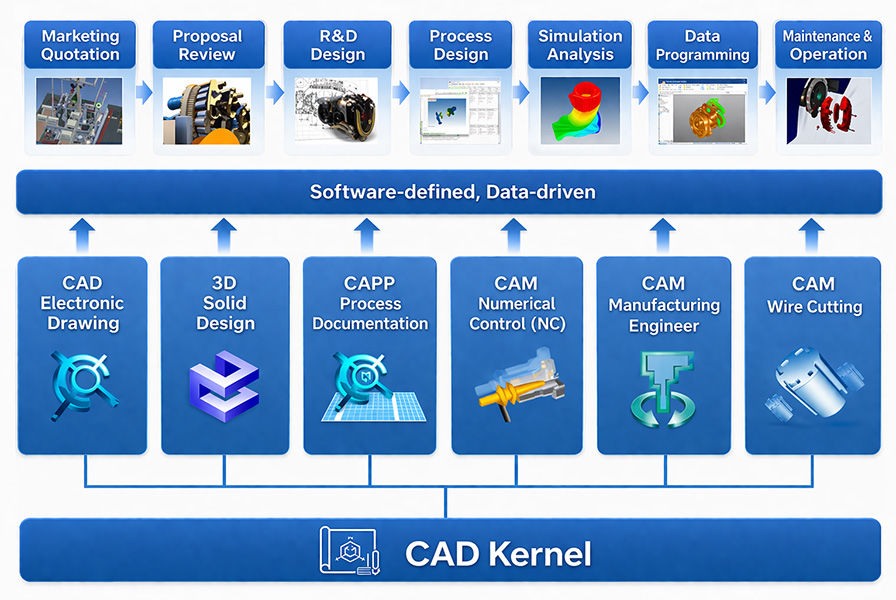
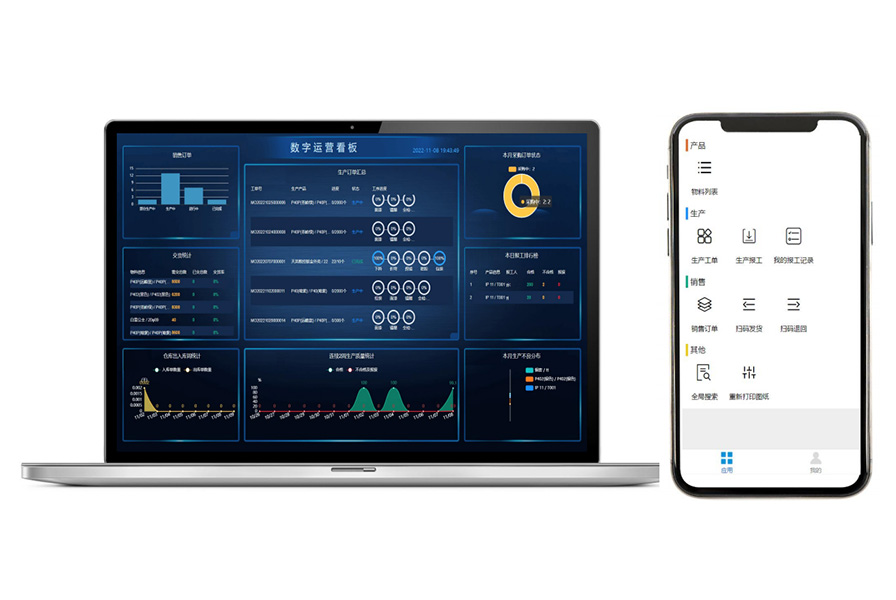
Huazheng 5Axis CNC Machining Management System
1776484798803394
Process Analysis
1776484811571496
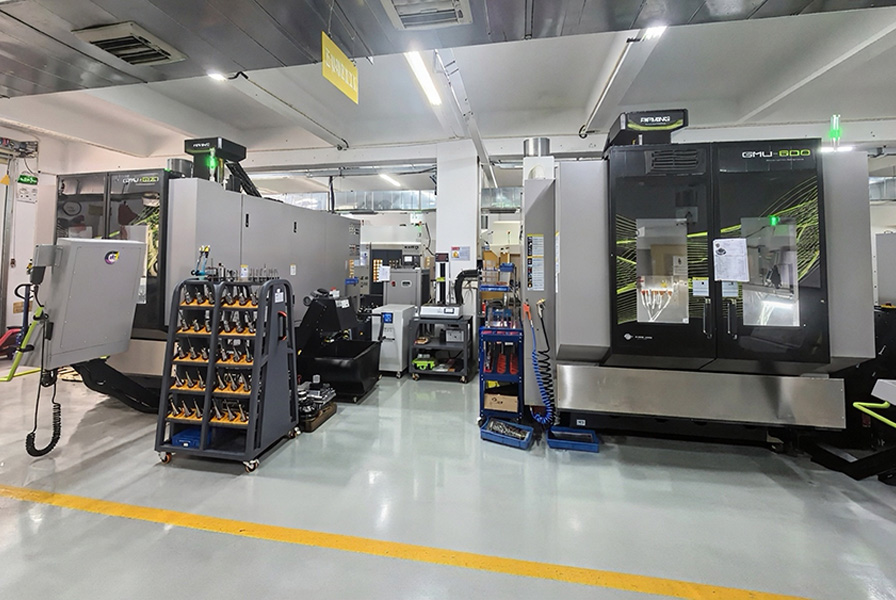
5Axis CNC Machining Workshop
1776484821758418
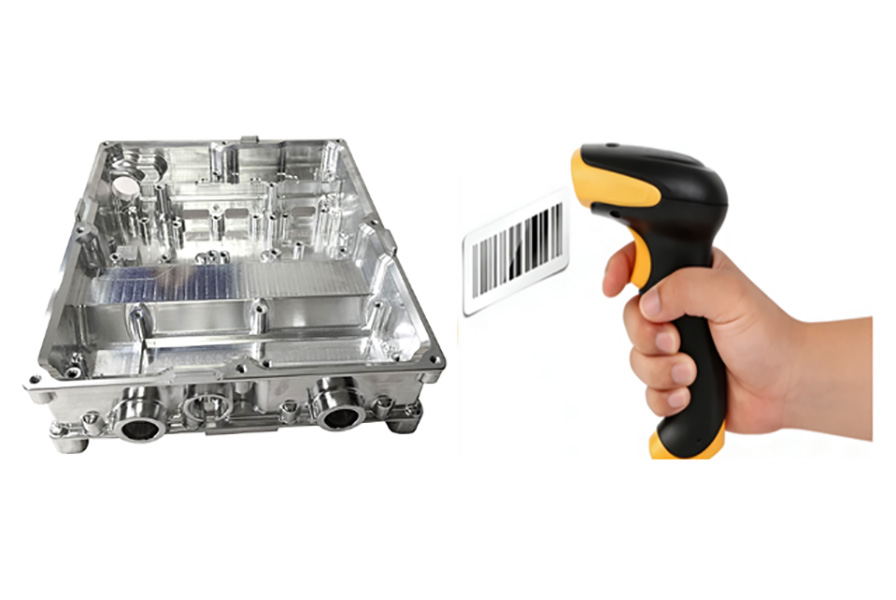
Scanning Barcodes for Each Process Step
1774927683567579
Huazheng 5Axis CNC Machining MES Visual Management System
1774927692852039
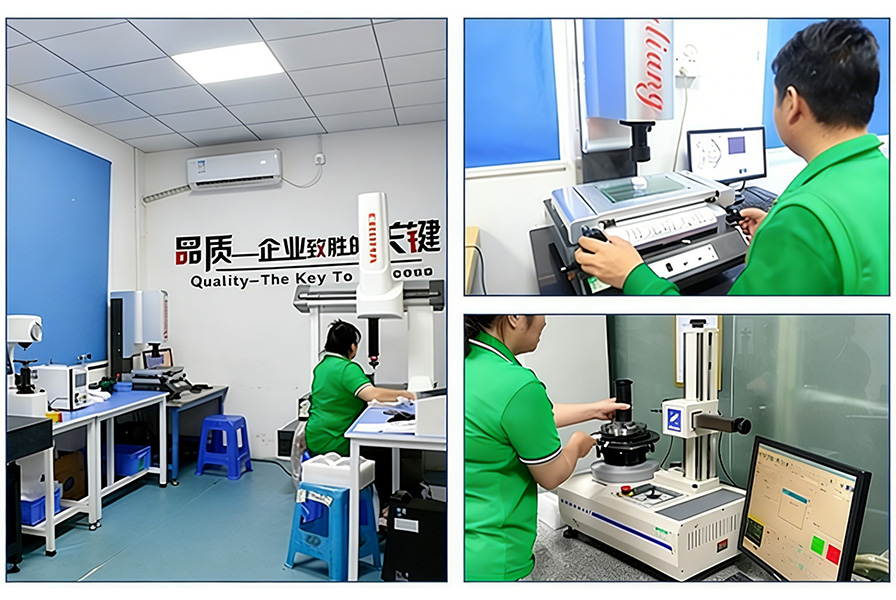
Quality Assurance Department
1774927707129594
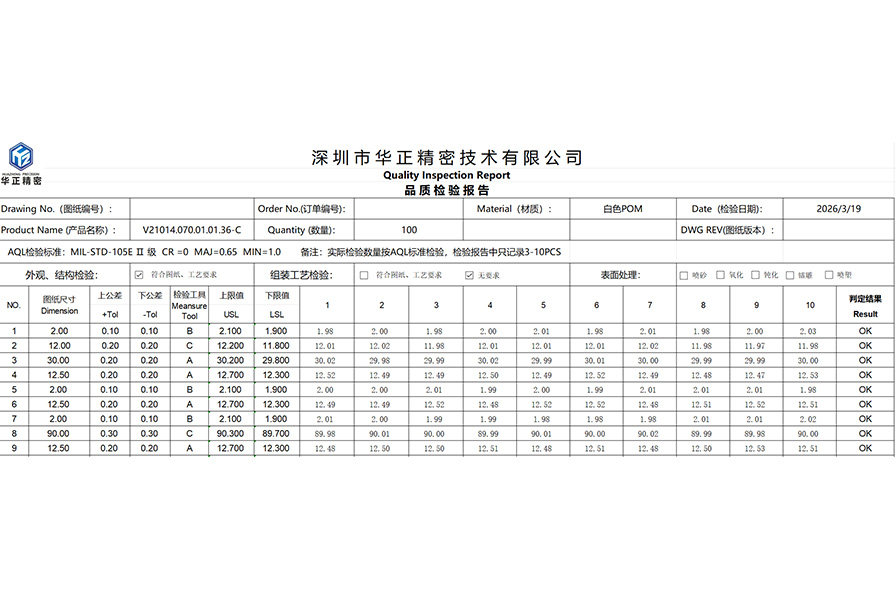
Quality Report
1774927730417202
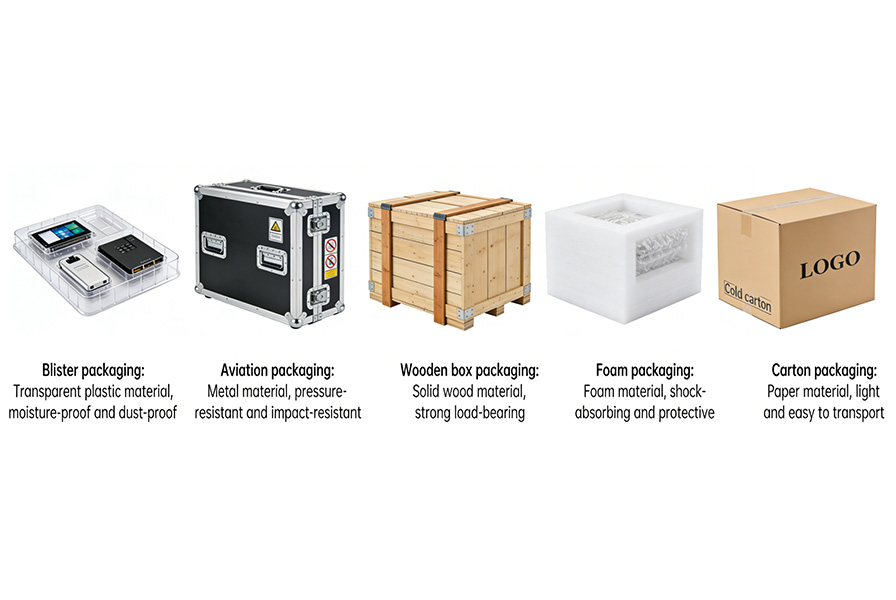
Provide customized packaging in accordance with the customer's product transportation standards.

5Axis CNC Machining Services for Custom Parts

1774428843619867

5Axis CNC Machining

We provide professional 5Axis CNC Machining services for custom parts with high requirements for lightweight design, strength, and dimensional accuracy. Backed by advanced CNC machining equipment and rich project experience, we support the production of complex magnesium alloy components for robotics, automotive, aerospace, and other demanding industries, helping customers achieve better performance and weight reduction.

1774428864758354

Rapid Prototyping & Production

From prototype development to mass production, we offer efficient and reliable 5Axis CNC Machining solutions tailored to your project needs. Our team is experienced in processing a wide range of 5Axis CNC Machining and can also provide suitable surface treatments to improve corrosion resistance, appearance, and durability, ensuring every part meets your technical and application requirements.

HuaZheng Wishes For You Provide One-Stop And Convenient Services

Get A Quote
  • Please enter your name.
  • Please enter your E-mail.
  • Please enter your Phone or WhatsApp.
  • Please refresh this page and enter again
    • CNC Machining

    • Injection Molding

    • Sheet Metal Fabrication

    • Metal Mold

    Drag and drop your files here or

    Support formats: PDF, Word, Excel, Txt, JPG, PNG, BMP, GIF, RAR, ZIP, It is recommended to upload up to 5, and the single size must not exceed 20M.